
When you find deep scratches in a finish, assess the damage first. If the scratch penetrates beyond the finish, you’ll likely need a repair, which involves sanding, filling, and applying a new finish. For superficial scratches, a simple recoat might do the trick, rejuvenating the surface with less effort. Always consider the finish’s condition and longevity when deciding. Keep exploring to uncover more tips on maintaining the appearance of your surfaces.

Get business pricing on tools and workshop supplies
- Business-only prices and quantity discounts
- Tax-exempt purchasing
- Multiple users, one account, clear invoices
Key Takeaways
- Assess the severity of scratches; deep scratches may require repair, while superficial ones might only need a recoat.
- Repair involves sanding, filling, and refinishing, while recoating is a simpler process of cleaning and applying a new finish layer.
- Consider the existing finish condition; a deteriorated finish may necessitate repair rather than a simple recoat.
- Light scratches can often be effectively treated with a recoat, which refreshes the appearance without extensive labor.
- Long-term implications include enhanced durability from repairs and a quicker solution for recoating, impacting future maintenance needs.
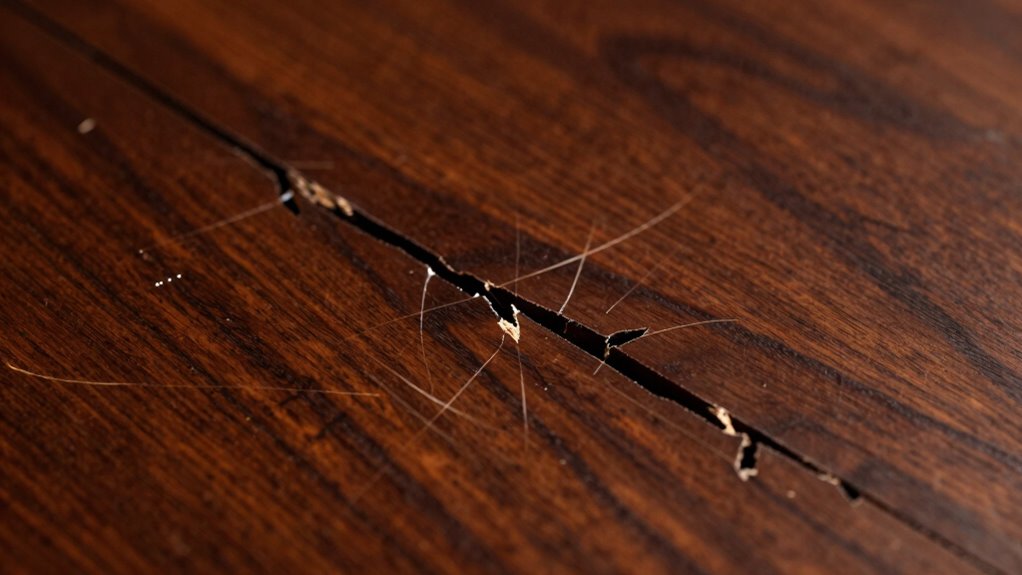
When should you repair and when should you simply recoat? Deep scratches in finishes can be tricky. You might be wondering if those marks warrant a full repair or if a simple recoat will suffice. This decision often hinges on the depth and severity of the scratches. If you notice that the damage has penetrated through the finish and into the underlying material, you’ll likely need to use specific repair techniques. On the other hand, if the scratches are superficial and only affect the finish layer, recoating might be the best route.
Let’s dig deeper into those repair techniques. When you’re faced with deep scratches, the first step is to assess the damage. If it’s extensive, you’ll want to sand down the area to remove the rough edges around the scratch. This process helps to create a smooth surface for the repair. After sanding, fill in the scratch with a suitable filler, then sand it again to blend it with the surrounding area. Once it’s smooth, you can apply a fresh coat of finish to restore that original look. This method not only repairs the scratch but also enhances the durability of the surface. Additionally, understanding the finish layer and its properties can help you determine the best repair approach. Properly identifying the type of finish will ensure you use the most compatible repair materials. Knowing the finish properties can also influence how well the repair or recoat will adhere and last. Being aware of the existing finish condition can help you decide whether a repair or recoat will be more effective in the long run. To ensure the best results, it’s also helpful to understand the effects of aging on finishes, which can impact how repairs or recoats should be approached.
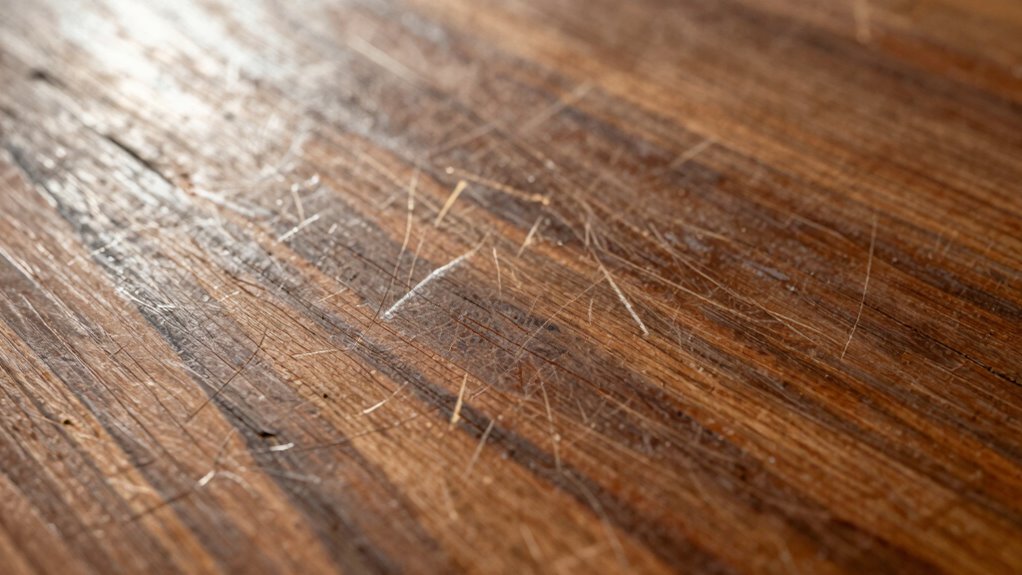
Now, let’s discuss the recoat benefits. If the scratches are relatively light, a recoat could be all you need. This approach saves you time and effort since it’s less labor-intensive than a full repair. By simply cleaning the surface and applying a new coat, you can refresh the finish without getting into detailed repair work. This is particularly effective for surfaces that experience light wear and tear. A new layer of finish can mask minor imperfections, providing an instant facelift. Recoating is also an excellent choice if the existing finish is still in good overall condition but looks dull or worn.
In deciding between repair and recoat, consider the long-term implications as well. If you opt for a repair, you’re likely extending the life of the finish, ensuring it withstands future damage. However, if you choose to recoat, you’re benefiting from a quick solution that can keep your surface looking good without the commitment of extensive repairs. Taking the time to evaluate the damage severity will help you make the best choice for your surface’s longevity and appearance. Ultimately, whether you decide to repair deep scratches or simply recoat, understanding the nature of the damage will guide your choice. Take time to evaluate the severity, and you’ll make the best decision for your surface’s longevity and appearance.
Frequently Asked Questions
Can Deep Scratches Affect the Value of My Furniture?
Yes, deep scratches can definitely affect the value of your furniture. During a furniture appraisal, assessors look for imperfections like scratches that indicate wear and tear. A deep scratch can detract from the overall aesthetic and perceived quality, leading to a lower appraisal value. If you’re considering selling or valuing your piece, it’s wise to address those scratches first. Repairing or refinishing might enhance its appeal and value considerably.
How Can I Prevent Future Scratches on My Finish?
To keep your furniture looking pristine, think of it as a delicate canvas you need to protect. For scratch prevention, place coasters and mats under items, and always lift instead of dragging. Regularly dust your pieces to avoid grit that can cause scratches. Using a quality furniture polish adds a layer of protection, making maintenance easier. With a few simple steps, you can keep your furniture shining like new for years to come.
Is It Safe to Use Household Cleaners on Scratched Finishes?
It’s generally not safe to use household cleaners on scratched finishes, as they can worsen the damage. Instead, focus on scratch removal methods that are gentle and specifically designed for your finish type. Always check cleaner safety labels before using any product, and opt for pH-balanced or non-abrasive cleaners. If you’re unsure, test a small area first to make sure it won’t harm the finish further. Your furniture will thank you!
What Tools Are Best for Repairing Deep Scratches?
To tackle deep scratches, you’ll want a few essential tools: fine-grit sandpaper, wood filler, and a matching stain. Think of these as your paintbrushes in a restoration masterpiece. For scratch repair techniques, start by sanding the area gently, filling it with wood filler, and then applying stain to blend it in. These furniture restoration tips not only rejuvenate your piece but also breathe life back into your space, making it feel whole again.
How Long Does a Recoat Typically Last Before Needing Reapplication?
A recoat typically lasts anywhere from 3 to 10 years, depending on usage and environmental factors. You’ll want to evaluate reapplication frequency based on how much wear and tear your surface experiences. If it’s in a high-traffic area, you might find yourself needing to recoat more often. Regular maintenance can help extend recoat longevity, so keep an eye on its condition to guarantee lasting protection and appearance.
Conclusion
In the end, deciding whether to repair or recoat those deep scratches is about weighing your options. If the damage is minor, a quick fix might do the trick, like whipping out a magic eraser. But for more significant scratches that threaten the finish, a full recoat could be your best bet. Just remember, your furniture deserves a little TLC—don’t let it look like it survived a medieval battle!
Fall yard work Picks
leaf blowers
As an affiliate, we earn on qualifying purchases.