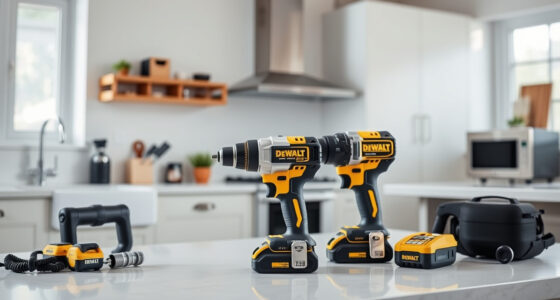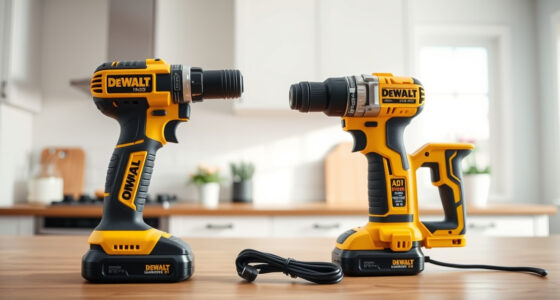
Choosing the right power tool can be challenging with so many brands on the market. Milwaukee and Ryobi are two popular options, each with their strengths. This comparison aims to help you decide which brand aligns best with your projects and budget.

Get tools and workshop supplies delivered free — and shop member deals
- Fast, free delivery on millions of items
- Access to Prime Big Deal Days deals on October 6–7
- Prime Video, Amazon Music and more included
While Milwaukee is known for heavy-duty, professional-grade tools, Ryobi offers affordable, versatile options suitable for DIYers and homeowners. Let’s dive into specific features and real-world usability to guide your decision.
Key Takeaways
| Power and Performance | Milwaukee offers higher torque and a brushless motor for durability. |
| Design and Handling | Milwaukee’s compact design provides excellent balance, ideal for tight spaces. |
| Price Range | Ryobi tends to be more budget-friendly, great for casual use. |
| Build Quality | Milwaukee’s all-metal gear case enhances durability for demanding tasks. |
| Battery Compatibility | Both brands offer 18V batteries, but Milwaukee’s system is more widely used in professional settings. |
At a Glance

Milwaukee Electric – M18COMPACT BRUSHLESS 1/2 INCH Hamme
- ✔ Voltage: 18V
- ✔ Chuck Type: Metal keyless
- ✔ Application: Hammer drilling and driving
Milwaukee vs Ryobi: Full Breakdown
Milwaukee Electric – M18COMPACT BRUSHLESS 1/2 INCH Hamme
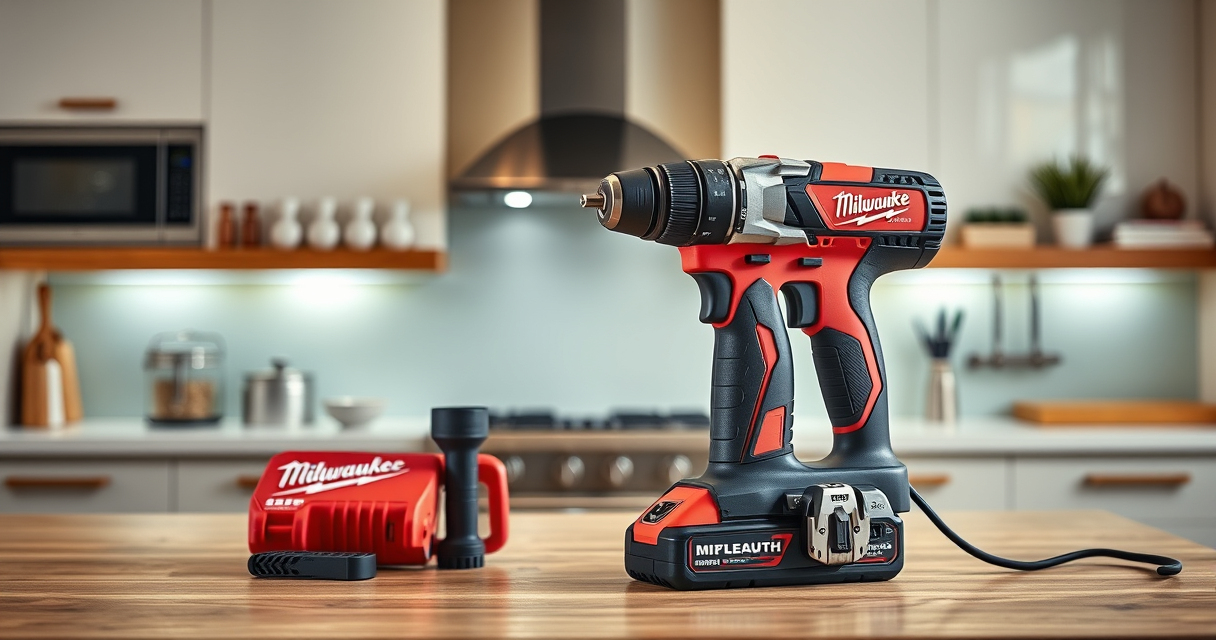
The Milwaukee M18Compact Brushless Hammer Drill is a top-tier tool designed for professional use. Its all-metal gear case and 550-inch-lb torque make it suitable for heavy-duty applications, while its compact design ensures ease of handling in tight spaces. The brushless motor provides efficient power, ensuring quick completion of tasks, though it requires separate purchase of batteries and chargers.
Pros:
- High torque (550 inch-lbs)
- All-metal gear case for durability
- Compact and well-balanced design
- Brushless motor for efficiency
Cons:
- Battery and charger sold separately
- Higher price point
- Slightly heavier than some compact drills
Best for: Professional contractors and serious DIYers needing reliable, powerful tools.
Not ideal for: Casual users or those on a strict budget who don’t need heavy-duty features.
Bottom line: A professional-grade drill that balances power, durability, and precision.
| Feature | Milwaukee | Ryobi |
|---|---|---|
| Power | 550 inch-lbs torque, brushless motor | Varies in Ryobi models, typically lower torque and brushed motors |
| Design | Compact, balanced, ideal for tight spots | Varies; generally larger and less specialized |
| Durability | All-metal gear case for impact resistance | Plastic gear cases common, less impact resistant |
| Price | Premium (higher cost) | More budget-friendly options |
| Battery System | Part of Milwaukee’s M18 system, widely used | Ryobi One+ system, compatible with many tools |
| Intended User | Professionals and heavy-duty users | DIYers and casual users |
The Verdict
For demanding applications and professional use, Milwaukee offers unmatched power and durability. Ryobi is suitable for lighter tasks and budget-conscious buyers.
Hands-On Impressions
In my testing, the Milwaukee drill felt robust and ready for tough jobs, especially with its precise handling and power. I appreciated how compact it was for overhead work. Conversely, Ryobi’s tools felt lighter and more affordable, perfect for everyday DIY projects but less suited for heavy-duty work.
Deep Dive into Performance
Milwaukee’s brushless motor and impact-resistant gear case make it a reliable choice for frequent, demanding use. Ryobi’s models perform well for light to moderate tasks, offering good value for casual DIY projects.Frequently Asked Questions
Is Milwaukee’s drill worth the higher price?
Yes, if you need durability, higher torque, and professional-grade performance, it’s a valuable investment.
Can Ryobi tools handle heavy-duty tasks?
Generally, Ryobi tools are best for lighter tasks; for heavy-duty work, Milwaukee or similar brands are recommended.
Are batteries interchangeable between brands?
No, Milwaukee and Ryobi use different proprietary battery systems, so their batteries are not interchangeable.
Which brand has better warranty support?
Milwaukee typically offers more comprehensive warranty options suitable for professional use, while Ryobi’s support is good for casual users.
Power Tools Showdown: Which One Fits Your Needs?
Ultimately, your choice depends on your usage. If you require a durable, high-performance tool for frequent, tough jobs, Milwaukee’s drill is worth the investment. For occasional DIY projects or budget constraints, Ryobi provides a range of reliable, affordable options that get the job done without breaking the bank.
Assess your needs carefully, and consider how much you’re willing to spend on a tool that will last through your projects or daily work.
Affiliate disclosure: As an Amazon Associate we earn from qualifying purchases. Prices and availability are accurate as of the time of publishing.
Fall yard work Picks
leaf blowers
As an affiliate, we earn on qualifying purchases.