
Your bandsaw’s resaw capacity isn’t just about the maximum cut height listed in the specs; it also depends on proper blade tension, dust collection, and setup. If you ignore these factors, you might overestimate its true capability, leading to wavy cuts, blade breakage, or uneven results. Paying attention to maintenance guarantees you maximize performance and avoid costly mistakes. Keep these tips in mind, and you’ll better understand how to truly unlock your bandsaw’s potential.

Get business pricing on tools and workshop supplies
- Business-only prices and quantity discounts
- Tax-exempt purchasing
- Multiple users, one account, clear invoices
Key Takeaways
- Understanding the maximum resaw capacity prevents overloading and blade damage during cuts.
- Proper blade tension and dust management are critical for achieving full resaw capacity and quality.
- Ignoring manufacturer specifications can lead to premature blade wear and safety issues.
- Regular setup and maintenance ensure consistent performance at the bandsaw’s maximum capacity.
- Being aware of the machine’s limits avoids costly repairs and ensures longer equipment lifespan.

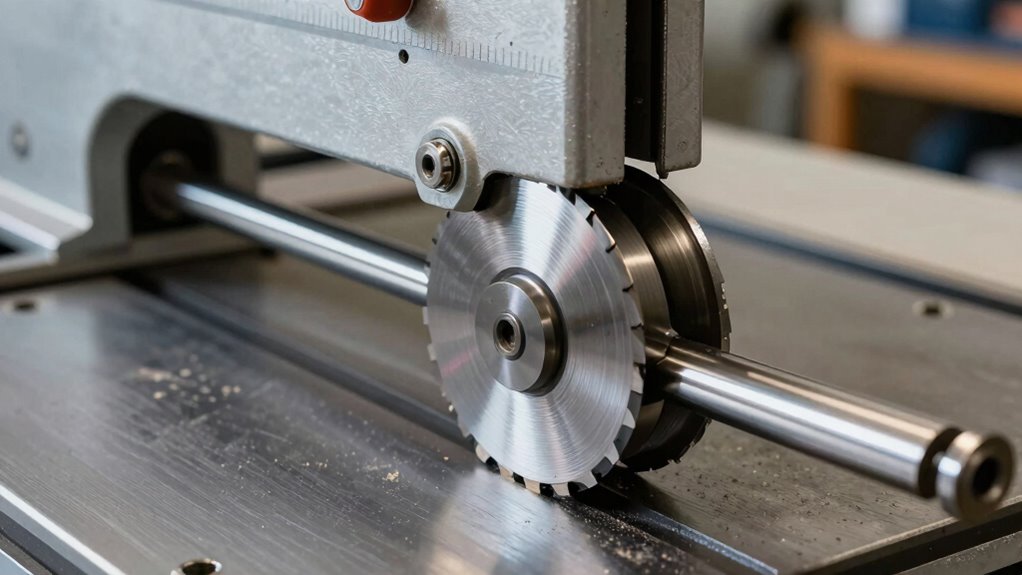
Have you ever wondered how much material your bandsaw can cut through in one pass? Understanding your bandsaw’s resaw capacity isn’t just about looking at the maximum height it can handle; it’s about grasping the nuances that make it perform reliably over time. One of the most overlooked aspects is blade tension. If you don’t keep your blade properly tensioned, you risk waviness, blade drift, or even breakage when pushing through thicker stock. Proper blade tension ensures a straight, smooth cut and helps you make the most of your bandsaw’s resaw capacity. Neglecting this detail can cause uneven cuts, wasting valuable material and time. Before starting any resaw project, check your manufacturer’s recommended blade tension and adjust accordingly. This step, often skipped in the rush to cut, can drastically improve your results and extend the lifespan of your blade. Additionally, maintaining the correct blade tension can prevent unnecessary blade wear and potential damage, ensuring consistent performance over time. Regularly inspecting bandsaw components can help identify wear or issues early, avoiding costly repairs later. Another critical factor that often gets overlooked is dust collection. When resawing thick or wide boards, dust and debris can quickly accumulate, clogging your workspace and obscuring your view of the cut line. Poor dust collection doesn’t just create a mess; it can also impact your bandsaw’s performance. Excess dust can interfere with the smooth operation of the blade and even cause overheating, leading to potential damage or decreased resaw capacity over time. Investing in an effective dust collection system isn’t just about cleanliness; it’s about maintaining consistent performance and safety. Regularly cleaning out the dust collection port, using a shop vac, or attaching a dedicated dust extractor can keep your saw running at peak efficiency. Understanding the limits of your bandsaw can help you make better decisions about your setup and cut quality, preventing premature wear or damage. Being aware of the cutting capacity and how it relates to your specific model can help you avoid overloading the machine and damaging the blade. When you combine proper blade tension with effective dust collection, you’re setting yourself up for successful resaw projects. You’ll notice cleaner cuts, less blade wear, and more reliable performance. These details, though often considered minor, are what separate a good bandsaw from a great one. Many buyers only realize the importance of these features after experiencing inconsistent results or costly repairs. So, it pays to pay attention early on. Check your blade tension regularly, keep the dust out of the way, and you’ll maximize your bandsaw’s true resaw capacity. This proactive approach helps you avoid the common mistake of buying a machine based solely on its specifications, only to find out later that it doesn’t perform as expected due to overlooked details. Paying attention to bandsaw setup can significantly improve your cutting outcomes and extend the life of your equipment.
As an affiliate, we earn on qualifying purchases.
Frequently Asked Questions
How Do I Measure a Bandsaw’s Resaw Capacity Accurately?
You measure a bandsaw’s resaw capacity by checking the frame height and subtracting the distance from the table to the upper blade guide. The maximum resaw capacity equals the frame height minus the blade width, which determines how thick a piece you can cut. Always consider the blade width and frame height to get an accurate measurement, ensuring your saw meets your project needs.
Can Resaw Capacity Be Increased With Modifications?
You can increase your resaw capacity with modifications like blade upgrades and motor enhancements. Upgrading to a taller, more durable blade allows you to cut thicker wood, while improving the motor boosts power and stability. These modifications can effectively expand your bandsaw’s resaw capacity, but make sure your saw’s frame and guides can handle the increased demands. Always verify compatibility and safety before making significant upgrades.
What Materials Are Best Suited for a Bandsaw’s Resaw Capacity?
You should choose a thick, wide blade for your bandsaw’s resaw capacity, as it provides better stability and cutting power. Opt for blades with high tension and good tooth design to handle larger materials efficiently. Also, guarantee your bandsaw has a sturdy frame, as increased frame stability minimizes vibrations and maintains alignment during resawing. This combination improves your ability to cut larger, thicker pieces accurately.
How Does Blade Tension Affect Resaw Capacity?
Blade tension directly affects your resaw capacity by ensuring proper blade alignment and stability. When tension is too low, the blade wobbles, reducing cut precision and risking damage; too high, and it may cause excessive wear or blade breakage. Adjust tension carefully, checking alignment regularly, to maximize your bandsaw’s resaw ability. Proper tension helps you achieve cleaner cuts, maintain blade lifespan, and safely cut thicker materials.
Are Larger Resaw Capacities Always Better for Woodworking?
Larger resaw capacities aren’t always better because blade selection and motor power play vital roles. A bigger capacity lets you cut thicker wood, but if your blade isn’t suitable or your motor isn’t powerful enough, you’ll struggle with accuracy and safety. Focus on choosing the right blade and ensuring your saw has sufficient motor power, rather than just increasing capacity, to get the best results in your woodworking projects.
As an affiliate, we earn on qualifying purchases.
Conclusion
Knowing the bandsaw’s resaw capacity isn’t just a detail; it’s your safety net. When you understand its limits, you avoid biting off more than you can chew, preventing mishaps and wasted effort. Don’t wait until it’s too late to realize you’re in over your head. By paying attention to this key spec, you’ll stay ahead of the game and keep your projects running smoothly. Remember, it’s better to be safe than sorry.
As an affiliate, we earn on qualifying purchases.
As an affiliate, we earn on qualifying purchases.
Evergreen bestsellers Picks
bestsellers
As an affiliate, we earn on qualifying purchases.