
TL;DR

Get business pricing on tools and workshop supplies
- Business-only prices and quantity discounts
- Tax-exempt purchasing
- Multiple users, one account, clear invoices
A House Beautiful report says designers are increasingly specifying quartzite and other countertop materials instead of engineered quartz. The shift reflects changing design preferences and reported worker-health concerns, but the report does not establish that quartz is broadly being phased out or confirm the status of a California production ban.
Designers interviewed by House Beautiful say some homeowners are choosing quartzite, granite, soapstone and porcelain instead of engineered quartz, reflecting a change in preferences rather than a confirmed industrywide phaseout. The report also cites a National Kitchen & Bath Association trend finding that 78 percent of designers are sourcing quartzite, while fewer are selecting quartz; it does not provide the survey’s full methodology or establish how much quartz demand has fallen.
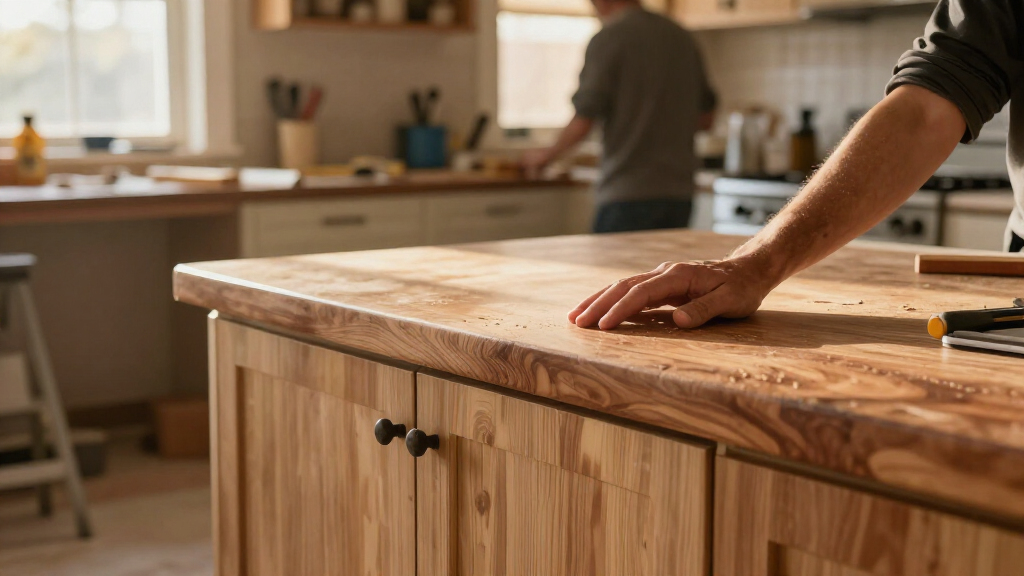
The designers describe two main reasons for the shift: a preference for the variation and aging of natural stone, and concern that quartz’s reputation for easy care can lead buyers to expect more than the surface delivers. Barrett Oswald, an interior designer in New York’s Westchester County, said engineered stone offers consistency and low maintenance but lacks the depth and individuality she values in natural materials.
Performance expectations are also part of the discussion. Santa Barbara designer Jessica Risko Smith said clients sometimes expect a “worry-free, bulletproof surface,” while West Hollywood kitchen designer Steven Cooper cautioned that quartz is stain-resistant, not stain-proof. These are designers’ professional observations, not evidence that every quartz product performs the same way or that all homeowners have problems with it.
For alternatives, the report names marble and quartzite for their appearance, while noting that natural stone may require more maintenance. Smith recommends soapstone and granite for homeowners seeking comparatively low-maintenance choices. For projects where cost is a concern, Élan Design House designer Kilian Camp and Cooper recommend porcelain slabs, which Camp describes as durable and suitable for uses including showers and fireplaces.
Choosing a Surface Beyond Quartz
Countertops are a substantial purchase and can be disruptive to replace, so changing designer recommendations may influence what homeowners compare before committing to a material. The report’s practical takeaway is not that quartz is unusable, but that buyers should weigh appearance, maintenance, budget and expected wear rather than assume any surface is maintenance-free.
Material selection also has a workplace-health dimension. The report says crystalline silica exposure associated with engineered-stone fabrication has been linked to silicosis among workers, a serious lung disease. That concern relates to fabrication and worker safety; the article does not establish that installed countertops pose the same risk to homeowners during ordinary use.
Products Worth Considering

Ring Alarm 14-Piece Wireless Security System Kit

Bose SoundLink Flex Bluetooth Speaker (2nd Gen), Portable Waterproof Speaker, Black

Sonos Era 100 Wireless Smart Speaker, Black
As an affiliate, we earn on qualifying purchases.
Why Designers Are Reconsidering Quartz
Engineered quartz became popular in part because it can offer consistent patterns, durability and relatively low maintenance, sometimes with veining that evokes marble. The designers quoted by House Beautiful say clients continue to consider it for affordability and its expected ease of care. Their criticism is that its uniform appearance does not suit every project and that the material can still show signs of use.
The report points to a National Kitchen & Bath Association annual trend report, saying 78 percent of designers are sourcing quartzite and fewer are selecting quartz. It also says California is reportedly preparing to ban production of engineered quartz because of silica-related worker risks. The supplied article does not provide a date, legal text, implementation schedule or agency details for that reported action, so it should not be read as confirmation that a ban is already in effect.
““We’ve always felt that quartz lacks the depth, warmth, and individuality of natural stone.””
— Barrett Oswald, interior designer in New York’s Westchester County
How Broad Is the Quartz Shift?
The report does not quantify overall quartz sales, identify how quickly consumer demand is changing or show whether the reported sourcing trend applies across regions and project types. The 78 percent figure refers to designers sourcing quartzite; without the survey’s full details, it cannot be treated as a direct measure of quartz’s market share or decline.
The status and scope of the reported California production ban are also unclear from the supplied material. It does not name the governing authority, specify which products or activities would be covered, or give a start date. Nor does it provide comparative cost, maintenance or performance data for each proposed replacement. Those details matter because natural stone and porcelain are not interchangeable choices for every budget or use.
Compare Materials Before Buying
Homeowners considering a remodel can ask fabricators and designers about the specific slab, sealing and care requirements, expected staining or wear, and the installed cost of each option. Viewing full slabs in person may help compare natural variation with engineered patterns. Buyers should also ask how a material is fabricated and what worker protections apply, especially where silica-containing stone is involved.
Further clarity on the California proposal would depend on official government documents or statements identifying its status and requirements. Until those are available, the report supports a conclusion that some designers are recommending alternatives—not that quartz countertops are about to disappear.
Key Questions
Is quartz being phased out?
The House Beautiful report describes designers selecting quartz less often in some projects, but it does not establish an industrywide phaseout or give sales data showing quartz is disappearing.
What materials are designers recommending instead?
The report names quartzite, marble, granite, soapstone and porcelain. Which is suitable depends on a homeowner’s budget, preferred appearance, maintenance expectations and intended use.
Is quartz stain-proof?
No. Designer Steven Cooper describes it as stain-resistant, not stain-proof. The report does not compare specific brands or products, so buyers should check care guidance for the surface they are considering.
Has California banned engineered quartz production?
The supplied report says California is reportedly preparing a production ban linked to worker exposure to crystalline silica. It does not confirm that a ban has taken effect or provide its scope or timeline.
Source: housebeautiful.com