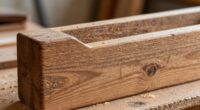
Many believe that applying more clamp pressure makes joints stronger, but that’s a myth. Excessive force can squeeze out adhesive, cause material damage, or lead to warping. The key is finding the right balance—too little isn’t secure enough, too much causes problems. Proper technique and tools help you apply the correct pressure consistently. Keep going to learn the best practices for achieving strong, durable bonds without risking damage.

Get business pricing on tools and workshop supplies
- Business-only prices and quantity discounts
- Tax-exempt purchasing
- Multiple users, one account, clear invoices
Key Takeaways
- More clamp pressure can cause material damage, warping, or cracking, compromising joint strength.
- Excessive pressure may squeeze out adhesive, weakening the bond rather than strengthening it.
- Over-tightening can lead to uneven pressure distribution and misalignment of parts.
- Proper clamp pressure balances force to ensure durability without damaging materials.
- Using the maximum force is unnecessary; correct pressure depends on material properties and project needs.
As an affiliate, we earn on qualifying purchases.
What Is Clamp Pressure and Why Is It Important?
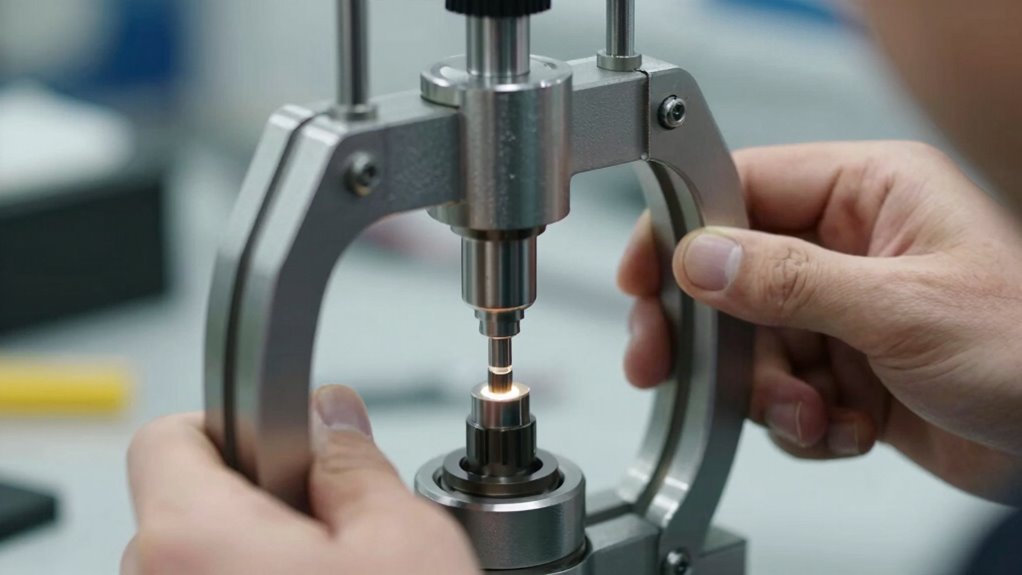
Clamp pressure refers to the force applied by a clamp to hold two or more surfaces tightly together. It’s a vital factor because it directly impacts joint strength, ensuring materials stay securely bonded during gluing or assembly. If the clamp pressure is too low, the surfaces won’t bond properly, leading to weak joints that can fail under stress. Conversely, excessive pressure can squeeze out adhesive or cause damage, compromising the joint’s integrity. Proper clamp pressure balances enough force to create a strong, durable bond without damaging the materials. Understanding how clamp pressure influences joint strength helps you achieve better results in woodworking, metalworking, or any project requiring secure clamping. Applying the right clamp pressure is key to ensuring your joints are strong and long-lasting. Additionally, knowing the “why” behind clamp pressure allows you to troubleshoot issues and optimize your clamping technique for consistent results. Awareness of clamp pressure management can also prevent equipment damage and improve overall project quality. Recognizing the effects of improper pressure can help you avoid costly mistakes and improve your craftsmanship, especially considering the importance of joint strength in various applications.
woodworking clamps with adjustable pressure
As an affiliate, we earn on qualifying purchases.
As an affiliate, we earn on qualifying purchases.
Myth Busting: Does More Clamp Pressure Make Your Joints Stronger?
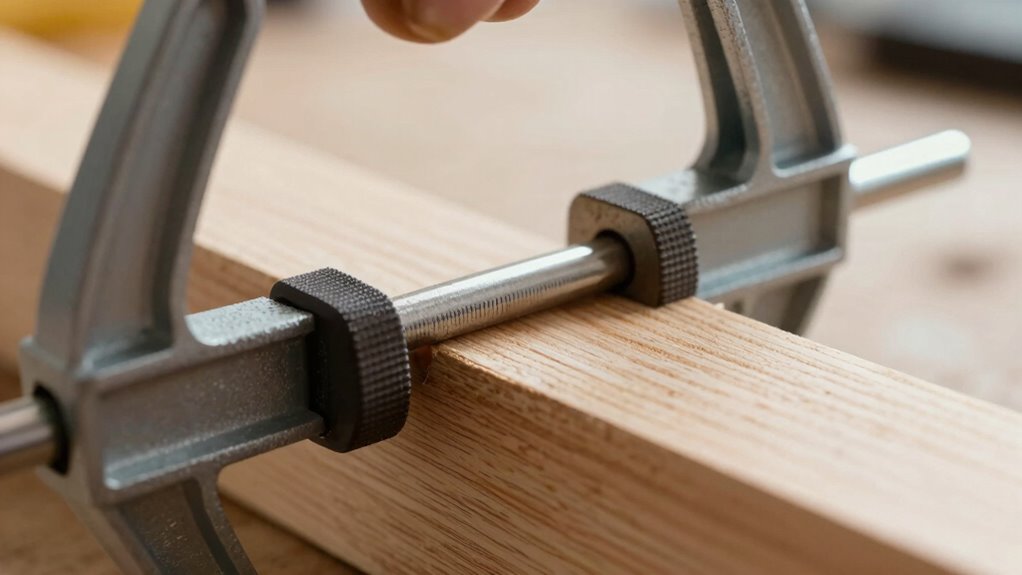
Many believe that applying more pressure with a clamp will automatically produce a stronger joint. However, increasing clamp pressure doesn’t always mean better joint strength. Excessive clamp pressure can squeeze out glue or adhesive, creating a weak bond instead of a strong one. It might also cause parts to shift or warp, compromising the joint’s integrity. Proper clamping technique is about finding the right balance—enough to hold the pieces securely without damaging the material or the adhesive layer. Applying appropriate pressure ensures the adhesive bonds effectively without causing damage or weakening the joint. Understanding clamp pressure fundamentals can help prevent common mistakes and improve joint quality. For example, using too much pressure during curing can lead to adhesive squeeze-out, reducing the effectiveness of the bond. Remember, the goal is a well-bonded joint, not just maximum clamp pressure. Recognizing the correct amount of pressure needed for different materials can help optimize joint strength and durability.
As an affiliate, we earn on qualifying purchases.
How Do You Know If You’re Over-tightening Your Clamps?
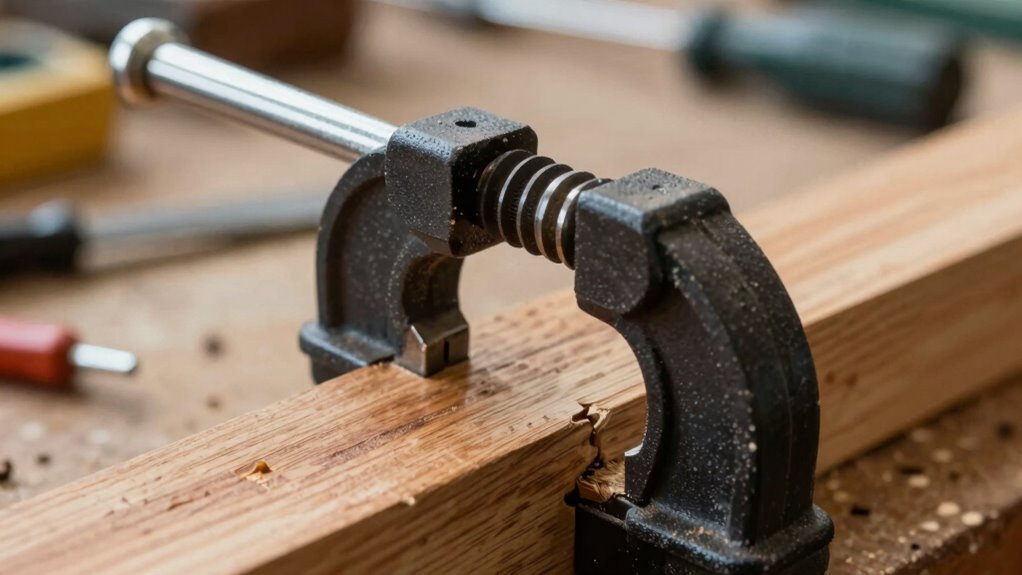
If you notice your workpieces are warping, cracking, or the adhesive is squeezing out excessively, you might be over-tightening your clamps. Excessive clamp pressure often leads to over tightening, which can damage your materials and compromise the joint. Pay attention to how your clamps feel; if they require significant force to tighten or if tightening further causes no increase in pressure, you’re likely overdoing it. Another sign is uneven pressure, which can cause gaps or misalignment. Avoid using maximum force just to secure the pieces, as this can do more harm than good. Instead, tighten your clamps gradually, stopping once you feel firm, even pressure. Proper clamp pressure ensures effective bonding without risking damage from over-tightening. Additionally, understanding the appropriate level of pressure can be supported by insights from the 16PF personality traits, such as attention to detail, which can help you develop a more intuitive feel for the right amount of force needed. Developing this skill allows you to better gauge the correct clamp tension based on the specific materials and project requirements. Recognizing the importance of pressure distribution across the workpieces can further improve your clamping technique and prevent damage. Incorporating consistent pressure ensures even bonding and reduces the risk of material deformation.
As an affiliate, we earn on qualifying purchases.
What Damage Can Excessive Clamp Pressure Cause to Materials?
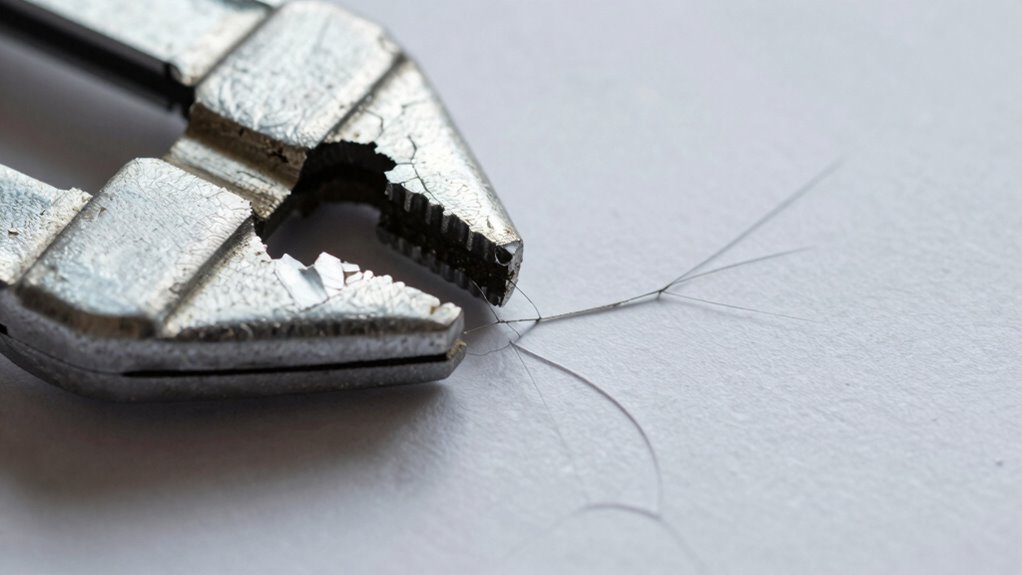
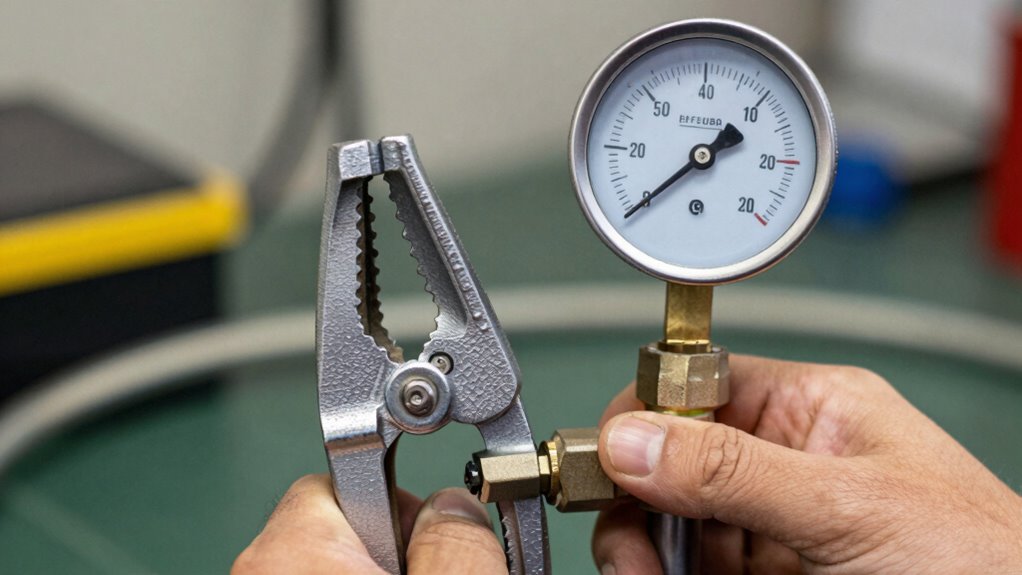
Applying too much pressure with your clamps can cause serious damage to your materials. Excessive clamp pressure can lead to material deformation, compromising the integrity of your work. When you don’t calibrate your clamp pressure properly, you risk applying more force than necessary, which may crush or warp delicate surfaces. This deformation weakens the material’s structure and can lead to cracks or splits over time. Over-tightening can also cause uneven pressure distribution, resulting in inconsistent bonding or adhesion. Proper clamp pressure calibration ensures you apply just enough force to secure the materials without causing damage. Remember, more pressure isn’t always better—using excessive force can undermine the quality of your project and damage your materials beyond repair. Calibrating clamp pressure is essential for achieving optimal results without risking material failure. To prevent these issues, understanding clamp pressure guidelines can help you apply the right amount of force consistently and avoid material deformation, which underscores the importance of reliable measurement tools for accurate calibration. Additionally, utilizing proper calibration techniques can further enhance your accuracy and protect your materials from unnecessary harm.
How to Find the Right Clamp Pressure for Different Materials
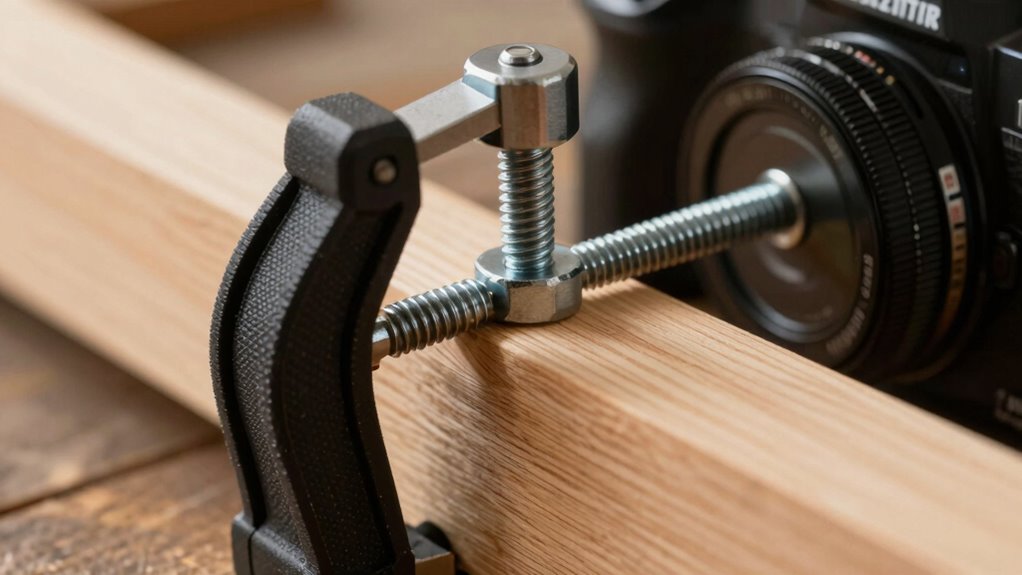
Finding the right clamp pressure depends on understanding the specific material you’re working with. Different materials respond uniquely to clamp pressure variability; too much can distort or damage them, while too little may result in weak bonds. To determine the best pressure, consider how much material compression is necessary to achieve a secure hold without causing harm. For softer or more delicate materials, apply gentle, controlled force to avoid crushing or warping. Harder materials often tolerate higher pressures, but even then, excessive force can cause cracks or surface defects. Always start with a moderate clamp pressure, then adjust incrementally based on the material’s response. Additionally, understanding material properties can help optimize clamp settings for different applications. Proper clamp pressure is essential for preventing material deformation and ensuring consistent results. Recognizing the importance of clamp force calibration allows for more precise adjustments tailored to each material. This approach ensures you maintain the delicate balance needed for effective bonding or holding, reducing the risk of damage and ensuring quality results. Paying attention to material-specific guidelines can further improve your clamp pressure adjustments for optimal outcomes. Incorporating testing procedures can also help verify the effectiveness of your clamp pressure settings before full-scale work.
Tools and Tips for Applying Proper Clamping Force
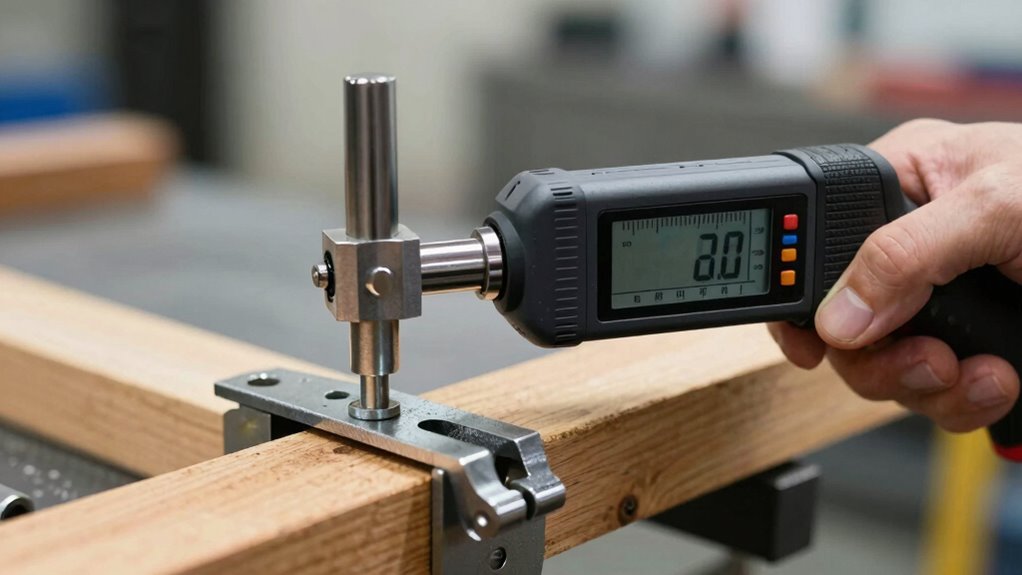
Using the right tools and knowing proper torque settings make it easier to apply the correct clamping force. Always select clamping tools designed for your specific task to avoid over- or under-tightening. Keep these tips in mind to make certain of secure, consistent results every time. Proper filtration and pump protection also play a role in ensuring your tools operate efficiently and effectively.
Proper Torque Settings
Getting the right clamp torque is essential to guarantee a secure hold without damaging the materials. Proper torque settings ensure you achieve clamp pressure calibration, which helps maintain clamp pressure consistency throughout your project. Use a torque wrench to apply precise force, avoiding guesswork that can lead to under- or over-tightening. Start with the manufacturer’s recommended torque specifications and adjust based on material and application. Regularly check and calibrate your torque tools to maintain accuracy. Consistent torque application prevents uneven pressure, reducing the risk of material deformation or failure. Remember, more torque doesn’t mean better clamping; it can cause damage. Focus on applying the correct torque for each task to ensure a reliable, safe, and effective clamp hold.
Using Correct Clamping Tools
Choosing the right clamping tools is essential for applying proper force and ensuring your projects stay secure. The correct tools help you implement effective clamping techniques while respecting material compatibility. For soft materials, use gentle clamps to prevent damage, while sturdy clamps are better suited for harder surfaces. Always select clamps that match your project’s size and material requirements to avoid over- or under-clamping. Consider the type of clamp—C-clamps, bar clamps, or spring clamps—based on the task at hand. Proper tools distribute force evenly, reducing the risk of material deformation or failure. Using the correct clamping tools ensures your project remains stable without unnecessary pressure, helping you avoid common myths about needing maximum pressure for a secure hold.
Avoiding Common Clamping Mistakes for Better Results
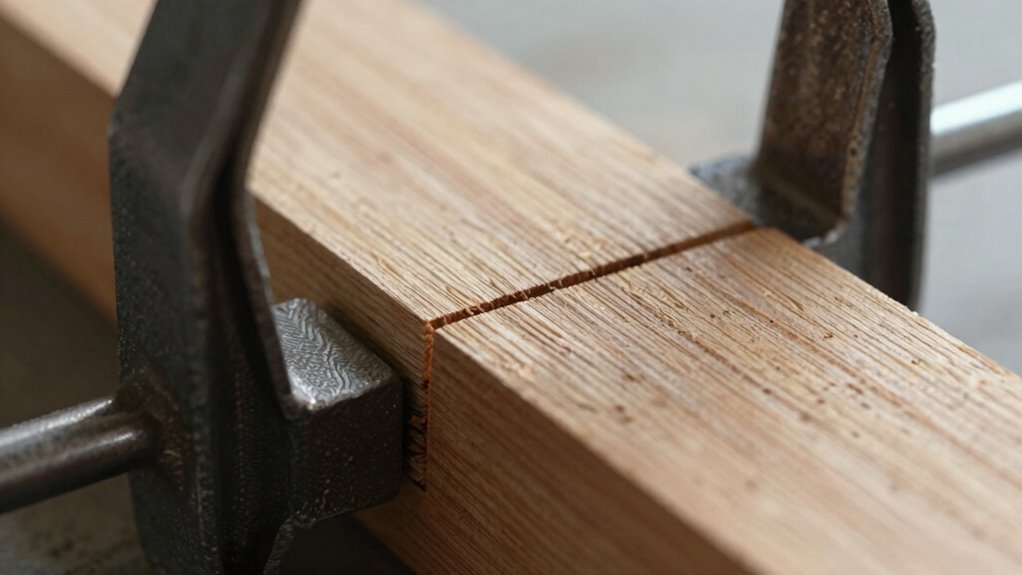
Many clamping mistakes can compromise your project’s quality, but they’re often easy to prevent with some careful attention. To improve your results, focus on proper clamping techniques and prioritize material safety. First, ensure you evenly distribute pressure across the workpiece to prevent warping. Second, avoid over-tightening clamps, which can crush your material or cause damage. Third, always double-check that clamps are securely positioned to prevent slipping during the process. By paying attention to these details, you reduce the risk of mistakes that compromise your project. Proper clamping techniques not only enhance the quality but also ensure safety, protecting both your work and yourself. Remember, precision and care go a long way toward better, safer results.
Frequently Asked Questions
Can Too Little Clamp Pressure Compromise Joint Strength?
Yes, too little clamp pressure can compromise joint strength because it may not hold the materials securely enough, leading to joint failure. When you don’t apply enough clamp pressure, the parts can shift or separate under stress, weakening the joint. Proper clamp pressure guarantees a strong bond and prevents joint failure. Remember, applying the right amount of pressure is vital for essential joint strength and durability.
What Signs Indicate Clamp Over-Tightening During Woodworking?
You’ll notice clamp over-tightening if the clamp slips or if the pressure feels uneven across the joint. Excessive force can deform the wood or cause the clamp to shift, leading to uneven pressure distribution. You might also see indentations or dents along the edges, indicating you’ve applied too much. Always check for secure, even clamping without forcing the tool, ensuring a strong, well-aligned joint without damage.
Are Specific Clamps Better for Certain Materials?
Surprisingly, no clamp is universally better for all materials. You should pick a clamp based on the clamp material and clamp design suited for your project. For delicate wood, use softer jaws or padded clamps to prevent damage. For heavy-duty tasks, consider robust clamps with strong clamp material and durable design. The right combination guarantees your work stays secure without risking over-tightening or material damage—ironic, isn’t it?
How Does Clamp Pressure Affect Glue Bond Quality?
You’ll see that proper clamp pressure distribution is key to maximizing glue bond quality. Applying too much pressure can squeeze out excess glue, weakening the joint, while too little allows gaps and poor adhesion. When you find the right balance, it guarantees even pressure, leading to a stronger, more durable glue joint that enhances longevity. Remember, more pressure isn’t always better; focus on consistent, suitable pressure for ideal results.
Is There a Universal Clamp Pressure Standard for All Projects?
While there’s no one-size-fits-all standard, focusing on proper clamp calibration and pressure consistency is key. You should tailor your clamp pressure to each project’s needs rather than relying on a universal number. Too much pressure can squeeze out excess glue, while too little may weaken the bond. By maintaining calibrated clamps and consistent pressure, you guarantee ideal glue adhesion, regardless of the project’s size or complexity.
Conclusion
Remember, more clamp pressure isn’t always better—it’s like trying to squeeze water with a fist; you’ll just end up wasting effort or damaging your materials. Find the right balance to keep your joints strong without cracking or warping. With the right tools and a steady hand, you’ll turn clamping from a guessing game into a precise art. Master this, and your projects will hold together as tightly as a well-knit fabric.
Fall yard work Picks
leaf blowers
As an affiliate, we earn on qualifying purchases.