
Matching grain across a piece instantly elevates your woodworking projects, creating a sophisticated look that feels high-end. You’ll notice how seamless grain flow enhances the overall aesthetic, making your tabletop more inviting. By paying close attention to grain alignment, you achieve a polished finish that resonates with quality craftsmanship. This attention to detail reflects your commitment to excellence. Curious about how to implement these techniques effectively? There’s more to uncover in the art of grain matching.

Get business pricing on tools and workshop supplies
- Business-only prices and quantity discounts
- Tax-exempt purchasing
- Multiple users, one account, clear invoices
Key Takeaways
- Matching grain patterns elevate the visual appeal, creating a sense of luxury in wooden tabletops.
- A thoughtful layout and arrangement enhance aesthetic harmony, making the piece feel intentional and sophisticated.
- Proper grain alignment ensures seamless connections, transforming ordinary materials into high-end looks.
- Understanding grain characteristics develops craftsmanship and improves the ability to match grains effectively.
- Investing time in grain alignment reflects a commitment to quality and attention to detail, resulting in refined projects.
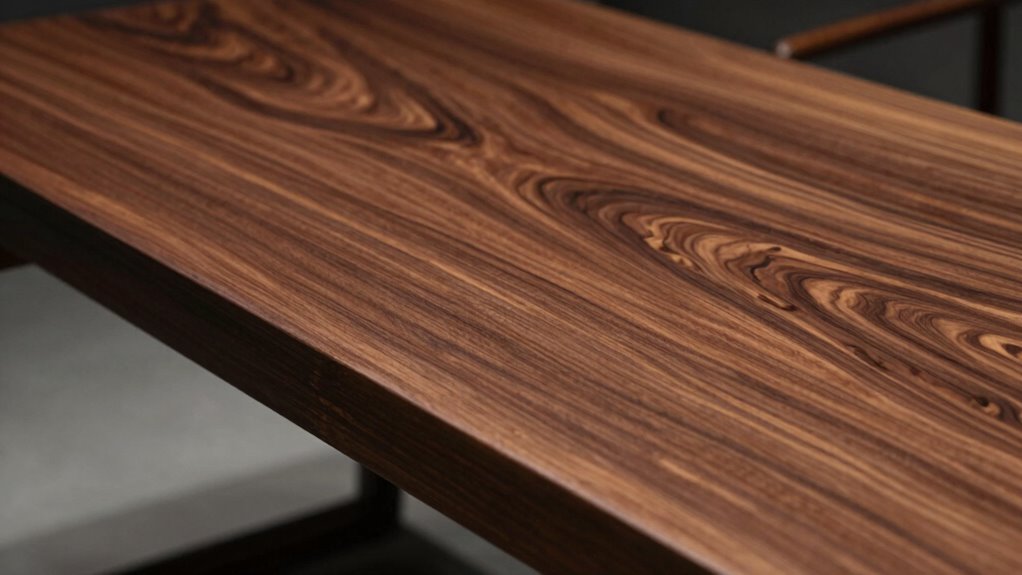
Imagine you’re working on a wooden tabletop. When you select boards with matching grain patterns, you’re not just choosing materials; you’re elevating the piece. The subtle variations in texture and color can bring an inviting warmth to your project. If you’ve ever seen a beautifully crafted table where the grain flows seamlessly from one section to another, you know exactly what I mean. It exudes a sense of craftsmanship that feels luxurious and purposeful.
To achieve this aesthetic harmony, you’ll want to lay out your boards before committing to any cuts. Spend time analyzing how the grains interact. Sometimes, flipping a board or two can make a significant difference in how they align. You might even find that a particular arrangement pulls the entire piece together in a way you hadn’t anticipated. This process may take a bit longer, but the payoff is worth it when your finished product reflects a polished, intentional design. Understanding grain patterns is key to achieving this level of sophistication. Recognizing grain direction can also help in aligning boards more precisely and creating a seamless look. Developing an eye for these details is an essential part of craftsmanship, and studying wood characteristics can further enhance your ability to match grain effectively.
Don’t underestimate the impact of grain alignment on your projects. It’s a simple yet powerful technique that can make even the most modest materials look high-end. When the grains are matched well, you create a seamless connection that feels organic and pleasing. Think of it as a visual melody, where each note contributes to a harmonious outcome.
In the end, matching grain design isn’t just about aesthetics; it’s about conveying a sense of care and attention to detail. Your projects will not only look better but feel more complete. By investing time in this aspect of your design, you’re setting a standard of quality that resonates with anyone who sees your work. So, next time you’re in the shop, remember: your choices in grain alignment can transform an ordinary piece into something extraordinary. Embrace this design move, and you’ll create work that not only stands out but also feels truly refined.
woodworking grain matching clamps
As an affiliate, we earn on qualifying purchases.
As an affiliate, we earn on qualifying purchases.
Frequently Asked Questions
How Do I Identify Different Wood Grains?
To identify different wood grains, start by examining the wood closely. Look for wood grain types like oak, maple, and cherry. Each has unique characteristics—oak features prominent rays, while maple has a fine, straight grain. Practice grain pattern recognition by comparing samples side by side. Use a magnifying glass if needed to see details. Over time, you’ll develop an eye for distinguishing between the various patterns and textures.
Is Matching Grain Only for Wood Furniture?
No, matching grain isn’t just for wood furniture. You can apply it to cabinetry, wall paneling, and even decorative pieces. When you pay attention to wood grain during wood selection, you enhance your furniture aesthetics markedly. Following design principles, like aligning grain patterns, creates a cohesive look that elevates any space. So, whether it’s a table or built-in shelves, matching grain can make a big difference in the overall design.
Can I Use Synthetic Materials for Matching Grain?
Yes, you can definitely use synthetic materials for matching grain! Synthetic textures can mimic the look of natural wood grain, allowing you to achieve cohesive design aesthetics without the limitations of real wood. They’re often more durable and resistant to wear, making them a smart choice for various applications. When selecting synthetic options, consider the overall style you want to achieve, ensuring it complements your space beautifully.
What Tools Are Needed for Matching Grain?
Think of matching grain like crafting a beautiful tapestry; the right tools weave everything together seamlessly. To match grain effectively, you’ll need a good quality saw for precise cuts, a planer for smoothing surfaces, and clamps to hold pieces in place. A grain filler can enhance grain orientation, while sandpaper helps refine your design aesthetics. With these tools, you’ll create a cohesive look that elevates your project’s overall appeal.
How Does Grain Matching Affect Cost?
Grain matching can greatly affect cost implications in your project. When you prioritize aesthetic value by ensuring the wood grain flows seamlessly, it often requires more time and skill, which can increase labor costs. Additionally, sourcing specific wood types for perfect matches may raise material expenses. However, investing in grain matching can elevate the overall look of your piece, making it more appealing and potentially increasing its value in the long run.
As an affiliate, we earn on qualifying purchases.
Conclusion
When you embrace matching grain design, you’re not just elevating your space; you’re also tapping into a trend that 80% of interior designers swear by for creating a cohesive look. This simple yet effective choice can make your home feel more luxurious and intentional. So, next time you’re planning a project, consider how matching grain can transform your environment and leave a lasting impression. It’s a small detail that delivers big results!
high-quality woodworking wood boards
As an affiliate, we earn on qualifying purchases.
As an affiliate, we earn on qualifying purchases.
As an affiliate, we earn on qualifying purchases.
Evergreen bestsellers Picks
bestsellers
As an affiliate, we earn on qualifying purchases.