
TL;DR
Portugal’s traditional azulejo tile art has been designated as UNESCO intangible cultural heritage. This recognition underscores its cultural importance and promotes preservation efforts.
Portugal’s iconic azulejo tile art has been officially inscribed on UNESCO’s list of intangible cultural heritage, a move that recognizes its cultural significance and aims to promote preservation. The designation was announced today by UNESCO, highlighting the importance of azulejo as a symbol of Portuguese identity and craftsmanship.
The decision by UNESCO was based on a comprehensive evaluation of azulejo’s historical, cultural, and artistic value. The tradition, which dates back to the 15th century, involves the production of glazed ceramic tiles often used to decorate buildings, public spaces, and religious sites across Portugal. The inscription aims to safeguard this unique craft amid modern development and changing tastes.
According to UNESCO officials, the recognition will support efforts to preserve traditional techniques, promote cultural tourism, and encourage younger generations to learn the craft. The move also places azulejo alongside other UNESCO-listed intangible cultural heritages, emphasizing its global cultural importance.
Why UNESCO Recognition Elevates Azulejo’s Cultural Status
This recognition elevates azulejo from a traditional craft to an internationally acknowledged cultural treasure. It highlights the importance of preserving intangible heritage in the face of modernization and urban development. For Portugal, it affirms azulejo as a key element of national identity, potentially boosting cultural tourism and local crafts industries. The designation also encourages policymakers and cultural institutions to prioritize preservation and education efforts related to this art form.
As an affiliate, we earn on qualifying purchases.
Historical and Cultural Background of Azulejo in Portugal
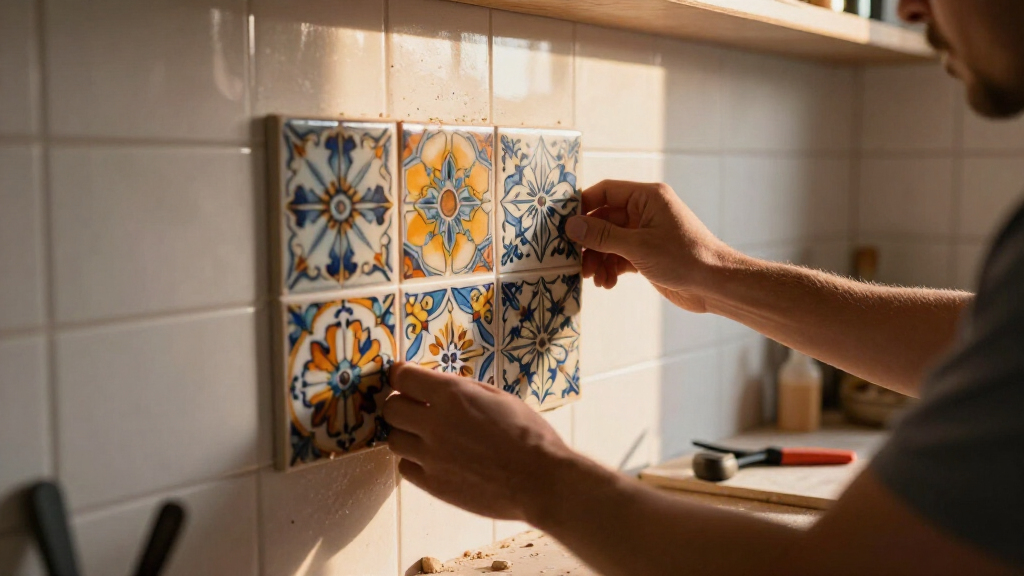
Azulejo, a form of glazed ceramic tile, has been a prominent feature of Portuguese architecture since the 15th century, influenced by Moorish and Islamic art. Traditionally, artisans crafted these tiles by hand, often depicting intricate geometric patterns, floral motifs, and historical scenes. Over centuries, azulejo became a symbol of Portuguese cultural identity, adorning palaces, churches, and homes. Despite its deep roots, the craft faced challenges in recent decades due to industrialization and changing architectural styles. UNESCO’s recognition aims to reinforce its cultural relevance and ensure its transmission to future generations.
“Being part of UNESCO’s list encourages us to keep our traditional techniques alive and pass them on to younger generations.”
— João Pereira, Azulejo Craftsman and Cultural Advocate
As an affiliate, we earn on qualifying purchases.
Uncertainties About Implementation and Future Preservation Efforts
While UNESCO’s recognition is a major milestone, it is not yet clear how Portugal will implement specific preservation programs or how effective these will be in safeguarding the craft long-term. Details regarding funding, educational initiatives, and integration into tourism promotion are still being developed.
As an affiliate, we earn on qualifying purchases.
Next Steps for Azulejo Preservation and Promotion
Portugal’s government and cultural organizations are expected to announce detailed plans for preservation, including funding, artisan training programs, and educational outreach. International cooperation and partnerships with UNESCO will likely play a role in supporting these initiatives. The focus will be on ensuring the craft’s survival amid ongoing urban and technological changes.
As an affiliate, we earn on qualifying purchases.
Key Questions
What is azulejo?
Azulejo is a traditional Portuguese glazed ceramic tile, often decorated with intricate patterns, used to adorn buildings and public spaces since the 15th century.
Why was azulejo recognized by UNESCO?
UNESCO recognized azulejo as part of its intangible cultural heritage to acknowledge its cultural, historical, and artistic significance and to promote its preservation.
How will this recognition affect artisans?
It is expected to encourage preservation efforts, support artisan training, and ensure the craft is passed down to future generations.
What challenges does azulejo face today?
Challenges include modernization, industrial production, and changing architectural styles, which threaten traditional techniques and craftsmanship.
What are the next steps for azulejo’s preservation?
Portugal will likely develop specific programs for training, funding, and promoting azulejo, with support from UNESCO and cultural institutions.
Source: hn