
To achieve clean bridle joints without fuzzy shoulders, focus on using sharp tools to guarantee crisp cuts. Select the right wood, as softer varieties can compress and lead to tear-out. Employ proper cutting techniques and maintain flat surfaces using a sanding block, but avoid over-sanding. Regularly inspect your joints and apply high-quality wood glue precisely, avoiding excess. By following these steps, you’ll enhance the longevity and appearance of your joints. There’s even more to explore for perfecting your technique!

Get business pricing on tools and workshop supplies
- Business-only prices and quantity discounts
- Tax-exempt purchasing
- Multiple users, one account, clear invoices
Key Takeaways
- Ensure tools are sharp to prevent tear-out and achieve clean cuts for bridle joints.
- Select appropriate wood types, avoiding softer woods that compress and lead to fuzzy edges.
- Employ proper cutting techniques and maintain grain orientation for superior joint quality.
- Regularly inspect and maintain joints to prevent wear and ensure lasting integrity.
- Apply wood glue judiciously to fill imperfections without creating excess that can cause messiness.
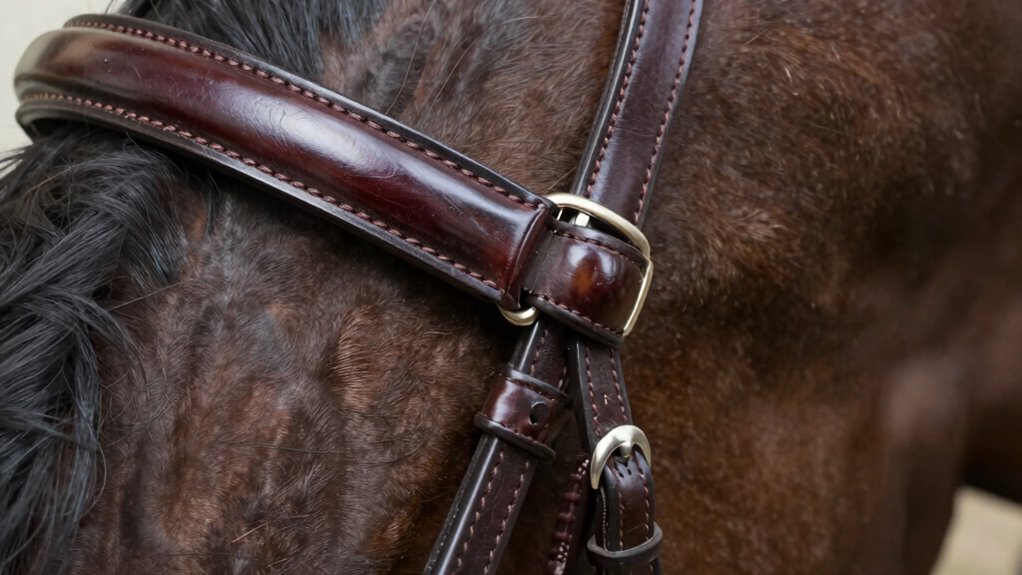
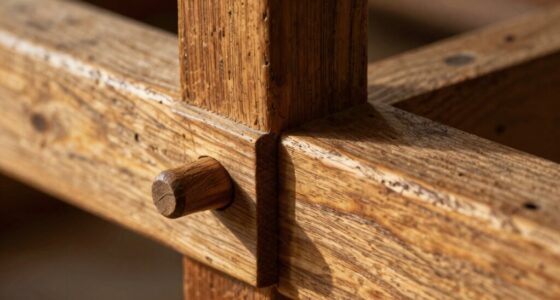
Bridle joints are fundamental for a sturdy and elegant finish in woodworking. They provide a seamless connection between two pieces, guaranteeing strength while also allowing for aesthetic appeal. However, achieving clean bridle joints isn’t just about the initial cut; it involves ongoing bridle care and joint maintenance. If you want your joints to look crisp and professional, there are a few key practices you should adopt.
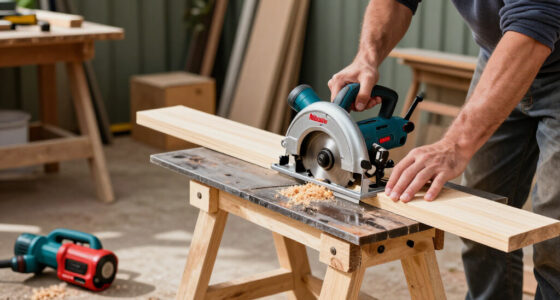
First off, you need to verify that your tools are sharp. Dull blades can cause tear-out, which leads to fuzzy shoulders that ruin the clean lines of your joint. When cutting your bridle joints, always use a sharp chisel or saw. Regularly check the condition of your tools and sharpen them as necessary. You’ll find that not only do sharp tools make the job easier, but they also produce cleaner cuts.
Ensure your tools are sharp; dull blades create tear-out and fuzzy shoulders, compromising the clean lines of your bridle joints.
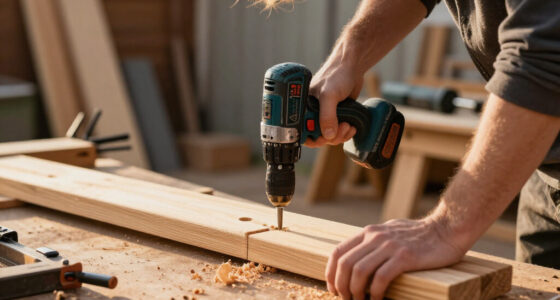
Next, pay attention to the wood you’re working with. Different types of wood react differently during cutting. Softer woods may compress, leading to less clean edges. If you’re working with softer materials, consider using a backing board when cutting to help prevent tear-out. This simple trick can help maintain the integrity of your joint and keep those shoulders looking sharp. Using the right cutting techniques can further improve your results and reduce the chance of imperfections. Additionally, understanding the properties of different woods can guide you in selecting the best material for your project. Incorporating proper grain orientation can also significantly enhance joint quality and durability. Being aware of these wood characteristics allows you to make informed decisions during your woodworking process, ultimately leading to a cleaner and more professional finish. Applying proper joint preparation techniques is also essential for ensuring the longevity and appearance of your joints.
Sanding is another important step in achieving clean bridle joints. As you sand, focus on the areas around the joint, but be careful not to over-sand. You want to preserve the structure of the joint while smoothing out any rough spots. Use a sanding block to maintain flat surfaces and avoid rounding over the edges. This method guarantees you keep those edges clean, which is essential for a polished look.
After the joints are cut and sanded, joint maintenance should become part of your routine. Regularly inspect the joints in your projects for signs of wear or damage. If you notice any issues, address them immediately rather than waiting. A little preventive care can go a long way in extending the life of your joints. Additionally, keeping the joints clean from dust and debris can help maintain their integrity over time.
Finally, consider using wood glue specifically designed for joint applications. A quality adhesive will not only hold your bridle joints together but also help fill in any minor imperfections. Be careful during application; too much glue can squeeze out and create a mess, so apply just enough to bond the joint without excess.
As an affiliate, we earn on qualifying purchases.
Frequently Asked Questions
How Often Should I Clean My Bridle Joints?
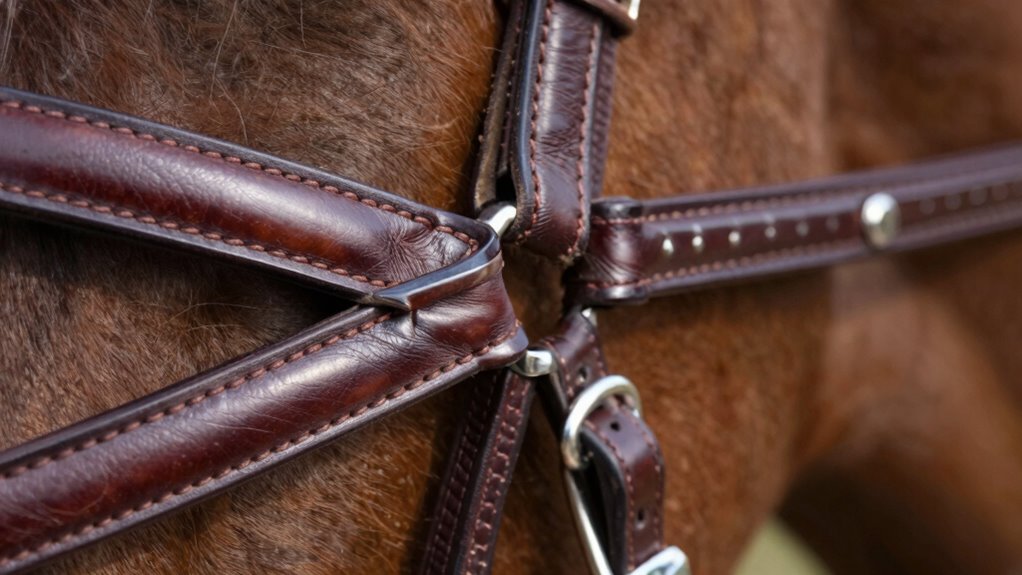
You should clean your bridle joints after every ride to maintain their condition. Regular cleaning keeps dirt and sweat from building up, which can lead to wear and tear. Incorporating bridle maintenance tips into your routine will make a big difference in your gear’s longevity. Remember, joint care’s importance can’t be overstated; it not only prolongs the life of your bridle but also guarantees your horse stays comfortable during rides.
What Tools Are Best for Cleaning Bridle Joints?
Cleaning bridle joints is like polishing a gem; the right tools make all the difference. For effective bridle care, use a soft brush to remove dirt, a damp cloth for wiping, and a specialized leather conditioner to maintain suppleness. A good quality saddle soap can also help. Keeping up with leather maintenance guarantees your bridle stays in top shape, preventing wear and tear while enhancing its overall appearance.
Can I Use Household Cleaners on Bridle Joints?
You shouldn’t use household cleaners on bridle joints. Many household products contain harsh chemicals that can damage sensitive materials like leather or synthetic fabrics. Always prioritize household cleaner safety and check if your bridle material is compatible with any cleaner. Instead, opt for products specifically designed for equestrian gear to guarantee you clean without causing harm. Keeping your bridle in good shape means using the right tools and cleaners!
What Are Signs of Dirty Bridle Joints?
Dirty bridle joints show signs like stiffness, squeaking, or rough movement. You might notice an accumulation of dirt or grime, indicating poor bridle joint maintenance. If the leather looks dull or discolored, it’s time to use effective cleaning techniques. Regularly checking these joints can save you from bigger issues down the line. Keeping them clean not only improves function but also enhances the overall look of your gear.
Are There Specific Oils for Maintaining Bridle Joints?
Yes, there are specific oils for maintaining bridle joints. Look for lightweight oils, like neatsfoot or jojoba oil, which enhance joint flexibility while preventing buildup. When using these oils, apply them with a soft cloth and focus on oiling techniques that guarantee even coverage. This’ll not only keep your bridle joints clean but also prolong their life. Regular maintenance will help you avoid issues and keep everything functioning smoothly.
As an affiliate, we earn on qualifying purchases.
Conclusion
To keep your bridle joints clean without fuzzy shoulders, remember that technique matters just as much as the tools you use. While some swear by the old theory of using oil to prevent dirt buildup, consider that a well-constructed joint can often withstand grime better with proper maintenance. Regularly cleaning and inspecting them not only enhances longevity but also proves that sometimes, the simplest methods yield the best results. Keep it clean, and your gear will thank you!
As an affiliate, we earn on qualifying purchases.
As an affiliate, we earn on qualifying purchases.
Halloween Picks
halloween
As an affiliate, we earn on qualifying purchases.