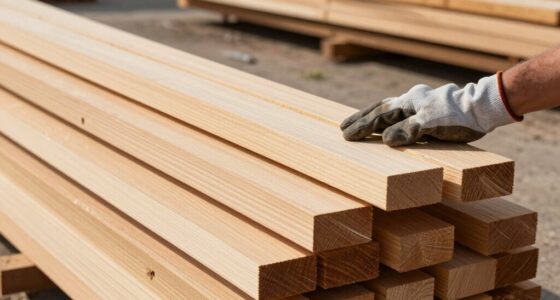
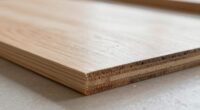
To store lumber in your garage without ruining it, keep the wood elevated on racks or pallets to avoid ground moisture and support airflow. Control humidity and temperature with a dehumidifier or good ventilation, and avoid direct sunlight or damp corners. Organize different sizes in labeled containers for easy access, and regularly check for pests or mold. Proper support and environmental management help preserve your lumber’s quality—continue to uncover more tips for long-term care.

Get business pricing on tools and workshop supplies
- Business-only prices and quantity discounts
- Tax-exempt purchasing
- Multiple users, one account, clear invoices
Key Takeaways
- Store lumber on elevated racks or pallets to promote airflow and prevent ground moisture contact.
- Keep the garage dry and well-ventilated; control humidity with dehumidifiers or vents.
- Cover lumber with water-resistant, breathable covers to protect against moisture while allowing airflow.
- Avoid direct contact with concrete floors and store shorter pieces in organized bins or on wall racks.
- Regularly inspect for pests, mold, and moisture damage; maintain proper organization and support structures.
As an affiliate, we earn on qualifying purchases.
Why Warping and Rot Happen When Storing Lumber Improperly
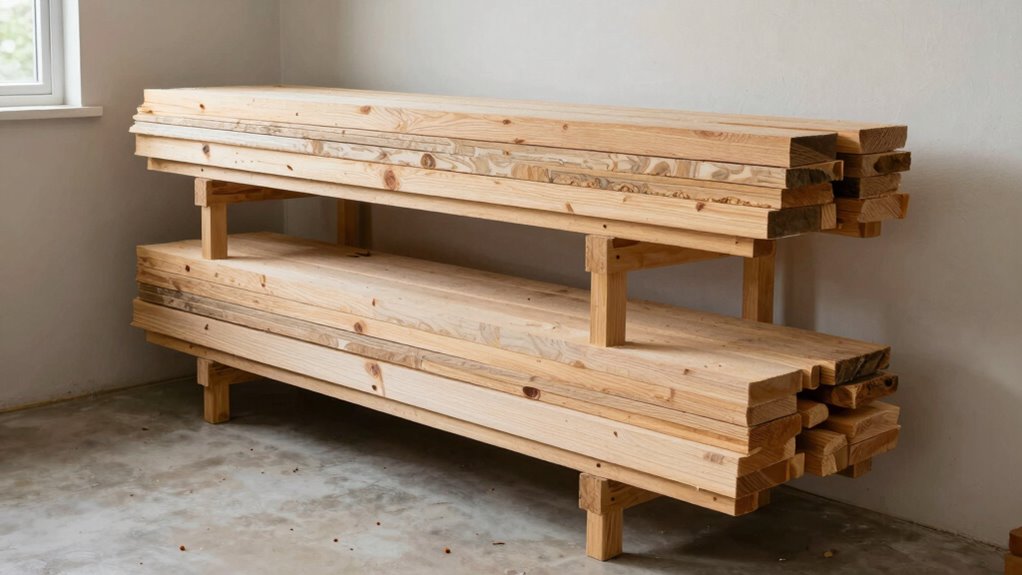
Warping and rot occur when you store lumber improperly because exposure to moisture and uneven drying cause wood to deform and decay. If you don’t properly treat your wood, it becomes vulnerable to pests and fungi that accelerate rot. Wood treatment, such as sealing or applying preservatives, helps prevent moisture from seeping in, reducing the risk of warping and decay. Failing to keep lumber dry allows water to penetrate, which weakens its structure and invites mold and insects. When moisture levels fluctuate, the wood expands and contracts unevenly, leading to warping. Proper storage, combined with pest prevention measures, ensures your lumber remains stable and durable. Additionally, proper ventilation helps control humidity levels and prevents moisture buildup around stored wood. Neglecting these steps can compromise your projects and lead to costly replacements.
water-resistant breathable lumber covers
As an affiliate, we earn on qualifying purchases.
As an affiliate, we earn on qualifying purchases.
Choosing the Best Spot in Your Garage to Store Lumber
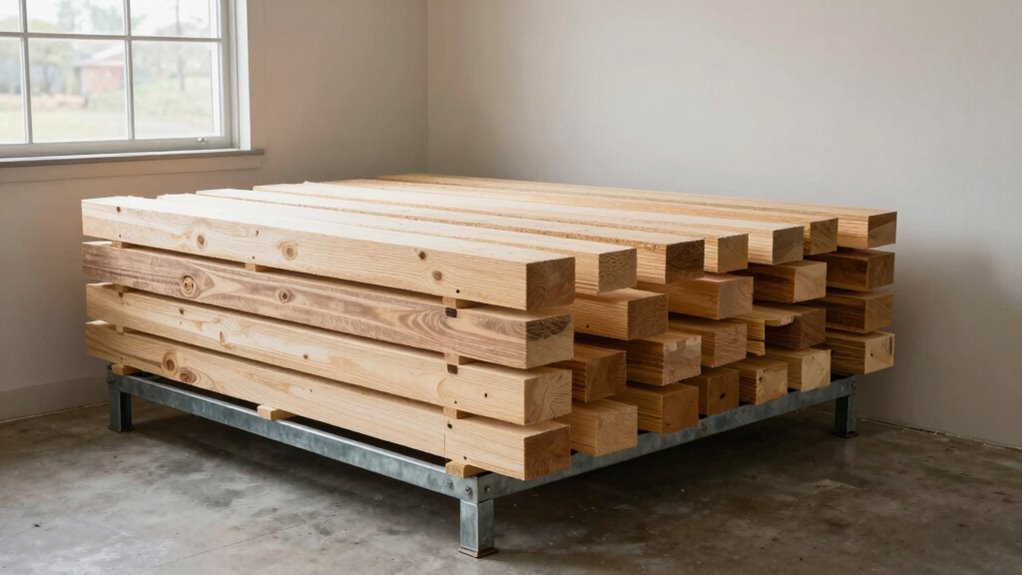
Choosing the right spot in your garage to store lumber is key to preventing damage from moisture and uneven drying. Look for an area with good garage lighting, which helps you monitor your wood and spot any issues early. Keep your lumber away from direct sunlight or damp corners that can cause warping or rot. Make certain the space is dry, well-ventilated, and free from excessive humidity. Pest prevention is also vital; avoid places near food or trash that might attract insects or rodents. Elevate your lumber on racks or pallets to improve airflow and keep it off the cold concrete floor. Picking a stable, clean, and properly lit spot will help your lumber stay in great condition longer. Additionally, understanding field‑of‑view and imaging‑scale considerations can inspire you to optimize your storage layout for better airflow and protection.
garage dehumidifier for wood storage
As an affiliate, we earn on qualifying purchases.
As an affiliate, we earn on qualifying purchases.
How to Support and Elevate Your Lumber Properly
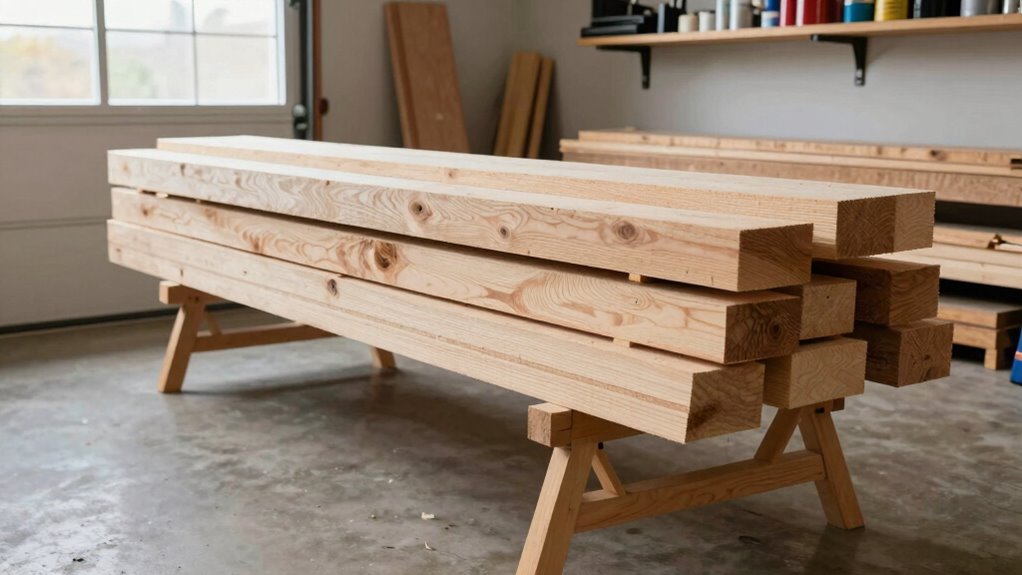
To keep your lumber in good shape, you need to support and elevate it properly. Use sturdy support structures and place your boards on stable surfaces to prevent warping. Make sure you avoid direct contact with the ground to protect your lumber from moisture damage. Additionally, elevating your lumber on elevated surfaces helps prevent exposure to ground moisture and allows for proper airflow.
Use Proper Support Structures
Proper support structures are essential to keep your lumber flat, prevent warping, and make storage safer. Using sturdy support beams or rack systems ensures your wood stays in good condition and is easy to access. Support beams can be placed directly on the ground or attached to your garage walls, providing stable support. Rack systems, such as vertical or horizontal racks, maximize space and keep lumber organized. When setting up, make sure supports are level and strong enough to hold the weight. Avoid letting lumber rest on uneven surfaces or directly on the floor, which can cause warping. Implementing European cloud solutions can also enhance the organization and security of your storage area. Properly supported storage not only protects your lumber but also reduces safety hazards. Consider these options to keep your wood in prime condition for future projects.
Elevate on Stable Surfaces
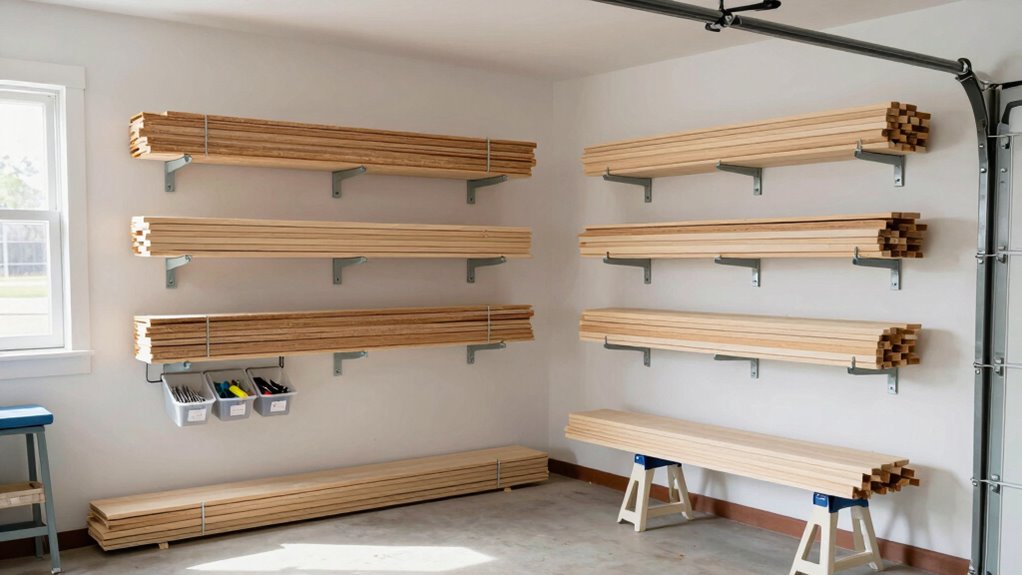
Elevating your lumber on stable surfaces helps maintain its shape and makes handling safer. Using sturdy shelving options or storage containers designed for heavy loads keeps your lumber off the ground and prevents warping. Choose shelves that are level and capable of supporting the weight of your wood. Pallets or dedicated lumber racks are excellent choices, offering even support and good airflow. Avoid stacking directly on the floor, which can cause moisture absorption and damage. Instead, elevate your lumber a few inches above the ground to guarantee proper air circulation and easy access. Proper support not only protects your lumber from potential damage but also makes it easier to organize and retrieve when needed. Incorporating proper storage techniques further ensures your lumber stays in good condition over time.
Avoid Direct Ground Contact
Why is avoiding direct ground contact essential when storing lumber? Ground contact exposes your lumber to moisture absorption from the concrete or soil, which can lead to warping, rot, and mold. Keeping your lumber off the ground helps prevent these issues, ensuring it stays in good condition longer. To support and elevate your lumber properly, consider using pallets, sawhorses, or sturdy racks. These methods create airflow around the wood, reducing moisture buildup. Elevating your lumber also makes it easier to access and organize. Remember, moisture absorption accelerates deterioration, so never store lumber directly on the ground. Proper elevation acts as a barrier, safeguarding your investment and maintaining the quality of your wood. Additionally, using moisture-resistant materials for supports can further protect your lumber from humidity and condensation.
wall-mounted lumber storage bins
As an affiliate, we earn on qualifying purchases.
As an affiliate, we earn on qualifying purchases.
Managing Humidity and Temperature to Protect Your Wood
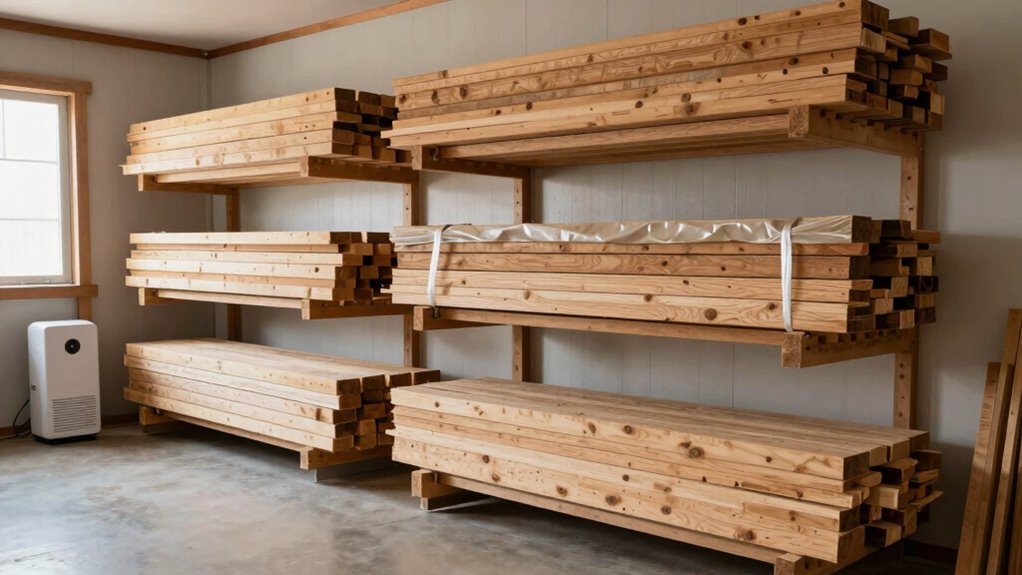
To keep your lumber in good shape, you need to control the humidity and temperature in your garage. Fluctuations can cause the wood to warp or crack over time. Keep the air steady by managing moisture levels and maintaining a consistent temperature. Additionally, using proper storage techniques can further protect your wood from environmental damage.
Controlling Indoor Humidity
Have you ever noticed how fluctuating indoor humidity can damage your lumber? Sudden changes cause wood to expand and contract, leading to warping or cracking. To prevent this, you should regulate your garage’s humidity levels. Use a dehumidifier or a humidifier depending on your climate to keep moisture levels steady. Proper wood treatment can help, especially for older or more vulnerable pieces. Installing moisture barriers, like plastic sheeting or vapor barriers, can also reduce moisture transfer from the ground or walls. Additionally, ensure good ventilation to circulate air and avoid damp spots. Maintaining a consistent environment is essential for wood preservation and ensuring it stays in prime condition for your projects.
Maintaining Stable Temperature
Maintaining a stable temperature in your garage is essential for protecting your lumber from damage. Fluctuations can cause wood to expand, contract, or crack, compromising its integrity. To achieve this, consider installing a thermostat-controlled heater or fan to regulate the environment. Consistent temperatures also aid in effective wood treatment, preventing warping and decay. Additionally, stable conditions help deter pests that thrive in fluctuating or humid environments. Pest prevention is key, so keep your garage sealed and inspect your lumber regularly for signs of infestation. Avoid drastic temperature changes by minimizing opening garage doors unnecessarily. Proper temperature management ensures your wood remains in ideal condition, reducing the risk of damage and prolonging its usability. Controlling indoor climate is crucial for maintaining optimal storage conditions for lumber.
Organizing Lumber by Size and Type for Easy Access
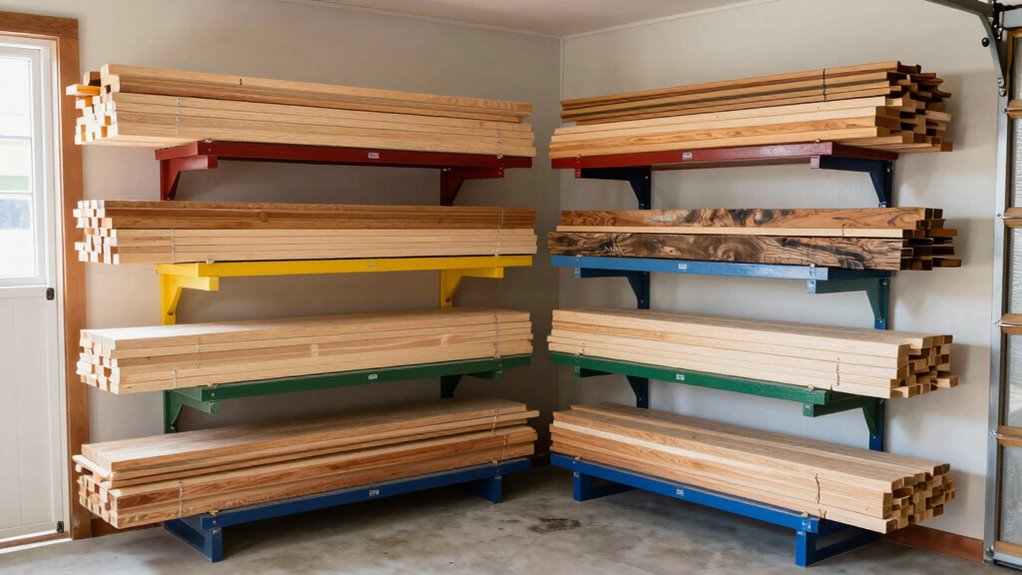
Organizing lumber by size and type makes it much easier to find what you need quickly. Use color coding to differentiate between wood types—paint or tape the ends for quick identification. Store similar sizes together on sturdy racks or hooks to prevent warping. Consider using storage containers for smaller pieces or off-cuts, keeping them sorted by length or project type. Label each section clearly so you can grab what you need without rummaging. This system reduces clutter and saves time during projects. Keep longer boards on dedicated wall-mounted racks, and group shorter pieces in labeled bins or containers. By sorting this way, your garage stays tidy, and accessing specific lumber becomes effortless. Proper organization also helps prevent damage and prolongs your wood’s lifespan. Incorporating storage solutions designed for lumber can further improve organization and protect your investment.
Keeping Lumber Dry and Protected From Moisture
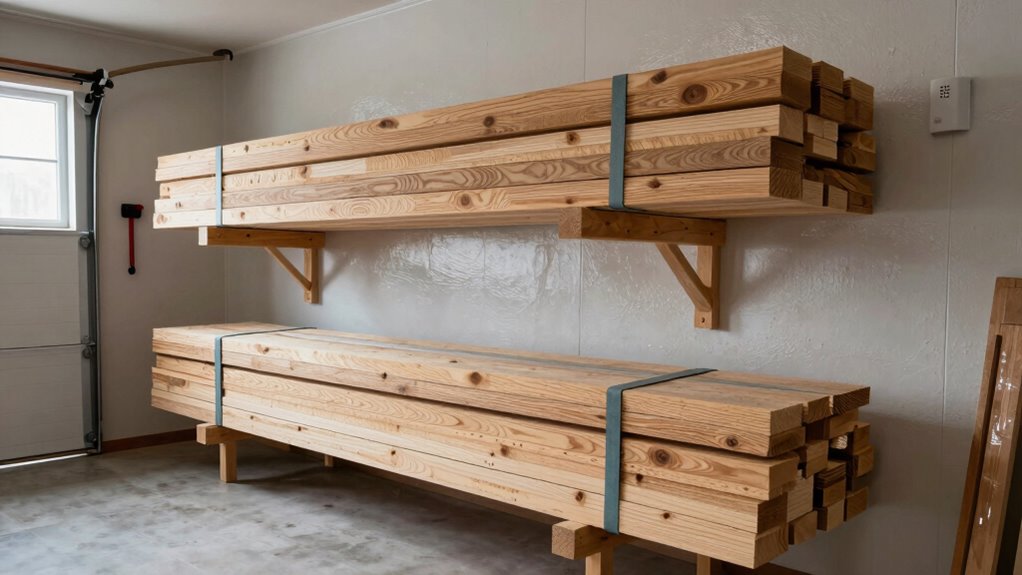
To keep your lumber dry, start by covering it with a water-resistant tarp or cover. Elevate the wood off the floor to prevent moisture from seeping in and promote airflow. Good ventilation also helps keep moisture levels down and protects your lumber over time.
Use Water-Resistant Cover
Covering your lumber with a water-resistant material is one of the best ways to keep it dry and protected from moisture. A waterproof covering prevents water from seeping in, while a breathable material allows trapped moisture to escape, reducing mold and warping risks. Choose a durable tarp or plastic sheeting designed for outdoor use and guarantee it fits snugly around your lumber. Securing the cover properly prevents wind from lifting it, maintaining a dry environment. Consider using a breathable material that promotes airflow, preventing condensation buildup underneath. This simple step helps preserve your lumber’s quality and longevity by shielding it from rain, humidity, and spills. Properly covered, your wood stays in top condition, ready for your next project.
Elevate Lumber Off Floor
Elevating your lumber off the ground is one of the most effective ways to keep it dry and prevent moisture damage. Use pallets, sawhorses, or shelving to lift your lumber, ensuring airflow underneath. Proper elevation helps avoid direct contact with damp floors and reduces mold risk. When stacking, organize lumber with clear labeling, so you know its type and treatment. This prevents unnecessary handling and exposure. For added protection, consider applying a wood treatment or sealant before storage, especially for untreated wood. Here’s a simple setup:
| Shelf/Support | Lumber Labeling | Wood Treatment |
|---|---|---|
| Pallets | Mark each piece | Seal all surfaces |
| Sawhorses | Group by type | Apply protective coating |
| Racks | Note treatment | Store in dry location |
This approach keeps your lumber dry, accessible, and well-preserved.
Maintain Proper Ventilation
Proper ventilation is essential for keeping your lumber dry and preventing moisture buildup that can lead to mold and decay. Good airflow patterns help circulate air around your stored wood, reducing humidity and moisture retention. To guarantee effective ventilation, consider installing proper ventilation systems or using vents to promote continuous airflow. You can also improve air circulation by spacing your lumber slightly apart, allowing air to flow freely. Regularly open garage doors or windows to refresh the air, especially during humid days. Additionally, using exhaust fans can help remove excess moisture from the space. Maintaining proper ventilation not only protects your lumber but also prolongs its lifespan and preserves its quality. Keeping moisture out is key to storing lumber safely in your garage.
Common Mistakes to Avoid When Storing Lumber
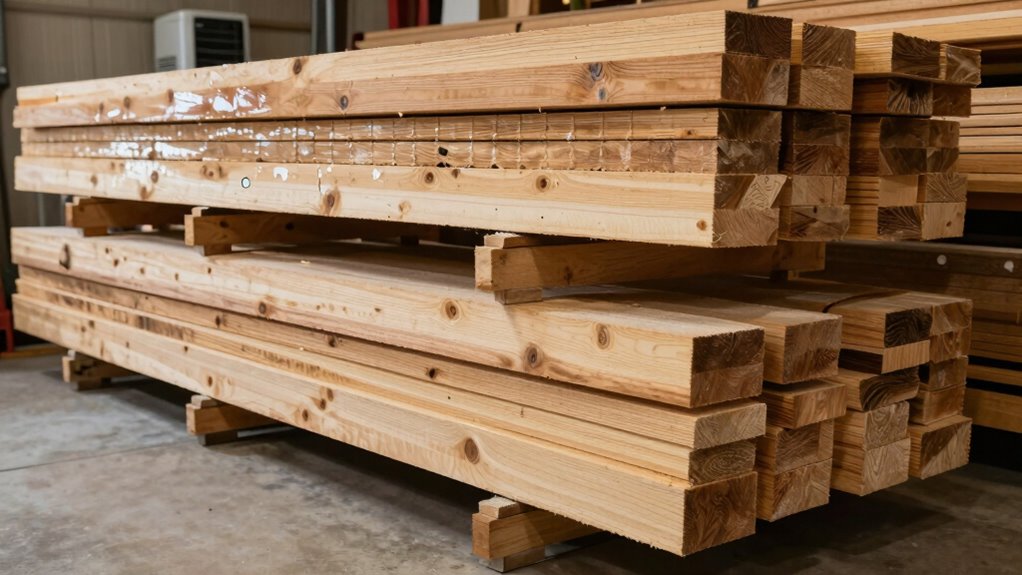
One common mistake when storing lumber is leaving it directly on the concrete floor, which can lead to moisture absorption and warping. To prevent this, you should elevate your lumber using storage containers or pallets, ensuring good airflow. Ignoring proper lumber treatment before storage can also cause issues like mold or insect damage. Always dry and treat your lumber to improve its resilience. Avoid stacking lumber unevenly or in tightly packed piles, as this restricts airflow and promotes moisture buildup. Additionally, storing lumber in inappropriate containers that trap moisture can accelerate deterioration. Properly managing how you store your lumber—using suitable containers, elevating it, and applying appropriate treatments—helps maintain its quality and prevents costly damage.
Adding Ventilation to Prevent Mold and Mildew

Adding ventilation is essential to prevent mold and mildew from developing on your stored lumber. Proper ventilation strategies improve airflow, reducing moisture buildup that fosters mold growth. To optimize mold prevention, consider installing vents near the ceiling and floor to promote cross-ventilation. Using a small exhaust fan can also help circulate air effectively. Additionally, keep vents unobstructed and clean to maintain continuous airflow. By increasing ventilation, you minimize humidity levels and discourage mold spores from settling. Regularly checking that your ventilation system works ensures your lumber stays dry and mold-free. Remember, good airflow is key to protecting your wood investment and maintaining a healthy garage environment. Implementing these strategies is a simple but effective way to keep your lumber in top condition.
Regularly Inspect and Maintain Your Stored Lumber
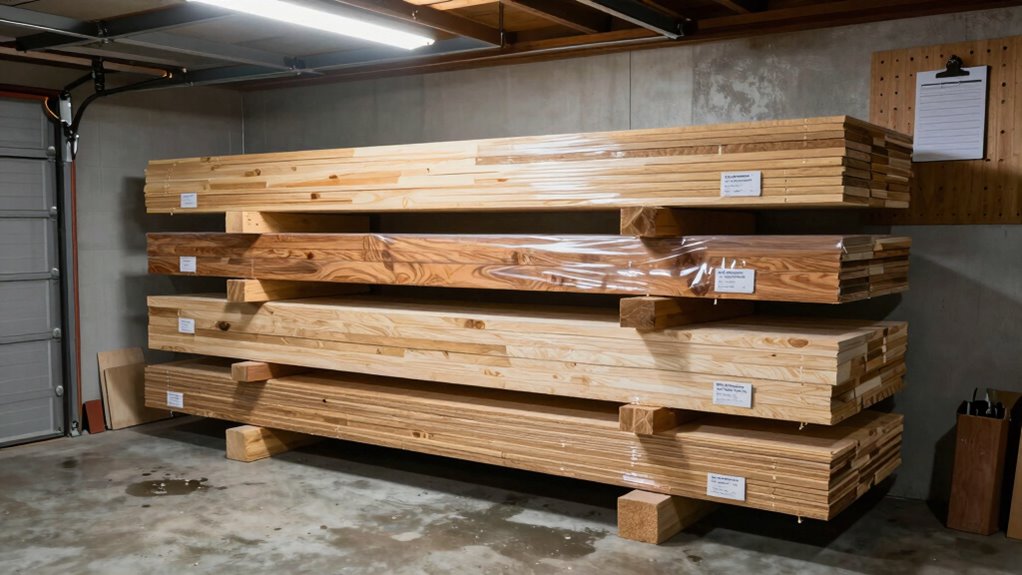
To keep your lumber in good condition, you need to regularly inspect and maintain your stored wood. Check for signs of moisture, mold, or pests, and ensure your storage accessories are secure. Proper lumber treatment helps prevent decay, so consider applying a protective sealant if needed. Use a simple maintenance schedule to stay ahead of potential issues. Here’s a quick overview:
| Inspection Task | Action Needed | Frequency |
|---|---|---|
| Moisture Levels | Use a moisture meter | Monthly |
| Storage Accessories | Tighten, clean, replace | Every 3 months |
| Visual Inspection | Look for mold or pests | Bi-weekly |
Staying vigilant protects your investment and keeps your lumber in top shape.
Long-Term Lumber Storage: Extra Tips for Quality and Safety
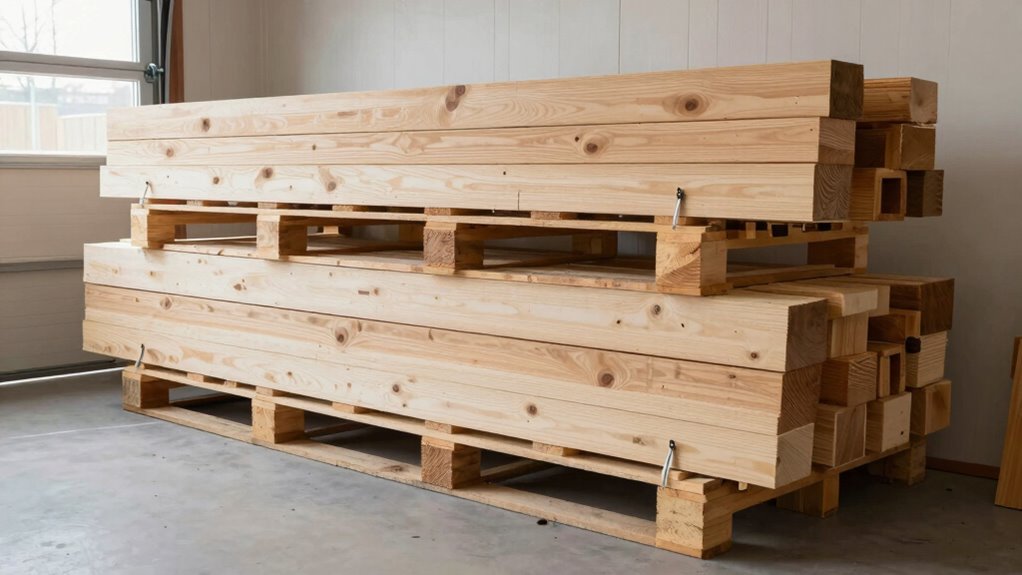
Properly storing lumber for the long term requires more than just stacking it in your garage. To preserve its lumber aesthetics and ensure it’s ready for woodworking projects, you need extra tips for quality and safety. Keep your lumber off the floor using sturdy supports to prevent moisture absorption. Cover it with breathable tarps or plastic to protect against humidity and pests. Store different types separately to avoid cross-contamination and potential warping. Consider climate control if possible, to maintain consistent temperature and humidity levels. These steps help keep your lumber in prime condition, ready for detailed projects later on.
- Use spacers between stacks for airflow
- Regularly check for signs of pests or mold
- Keep stored lumber in a dry, cool area
Frequently Asked Questions
How Can I Prevent Pests From Damaging My Stored Lumber?
To prevent pests from damaging your stored lumber, focus on pest prevention by keeping your garage clean and dry. Use airtight containers or plastic sheathing around the wood, and elevate the lumber off the floor with pallets or shelves. Storage tips like sealing any cracks and inspecting your wood regularly also help. These steps create an inhospitable environment for pests, ensuring your lumber stays safe and undamaged.
What Are the Best Types of Shelving for Lumber Storage?
Think of your garage as a well-organized forest, where sturdy trees stay upright and healthy. Metal shelving offers strength and durability, like a resilient steel canopy, perfect for heavy lumber. Wooden racks blend seamlessly with your space, providing a natural touch while supporting your wood securely. Both options keep your lumber elevated, dry, and accessible, ensuring your storage remains a thriving, clutter-free woodland that protects your valuable timber.
How Does Sunlight Affect Stored Lumber in a Garage?
Sunlight can damage your stored lumber by exposing it to UV radiation and causing temperature fluctuations. UV rays can weaken the wood’s surface, leading to warping or cracking over time. Temperature swings can also cause the wood to expand and contract, increasing the risk of splitting. To protect your lumber, keep it in a shaded area away from direct sunlight, and make certain your garage maintains a stable temperature.
Should I Seal or Treat My Lumber Before Storing?
You should definitely seal or treat your lumber before storing because wood treatment offers significant sealing advantages, protecting against moisture and pests. Some might worry it’s unnecessary, but untreated wood is vulnerable to warping and rot. Applying a good sealant creates a moisture barrier, prolonging your lumber’s lifespan. This simple step guarantees your materials stay in top condition, ready for use whenever you need them.
How Often Should I Check the Condition of My Stored Wood?
You should check your stored wood’s condition at least once every few months. During each inspection, look for changes in wood moisture, such as warping, cracking, or mold. Regular storage frequency helps you catch issues early, preventing damage from excess moisture or dryness. Keep an eye on ventilation and humidity levels, adjusting your storage setup if you notice any signs of deterioration, ensuring your lumber stays in great shape.
Conclusion
Think of storing lumber like caring for a delicate garden—you need the right spot, consistent conditions, and regular attention. By avoiding common mistakes and maintaining proper support, you’ll keep your wood thriving and warp-free. With a little effort, your lumber stays healthy and ready when you need it, like a well-tended plant that blooms at just the right time. Proper storage turns your garage into a sturdy, reliable workshop garden.
Evergreen bestsellers Picks
bestsellers
As an affiliate, we earn on qualifying purchases.