
TL;DR

Get business pricing on tools and workshop supplies
- Business-only prices and quantity discounts
- Tax-exempt purchasing
- Multiple users, one account, clear invoices
Architect and designer Ben Uyeda demonstrated carving smooth river rocks into bowls with an angle grinder and a diamond tile blade for a restaurant project. The craft may produce decorative stoneware, but the report cautions that porous rocks can be hard to sanitize and recommends laboratory testing and a food-safe finish before food use.
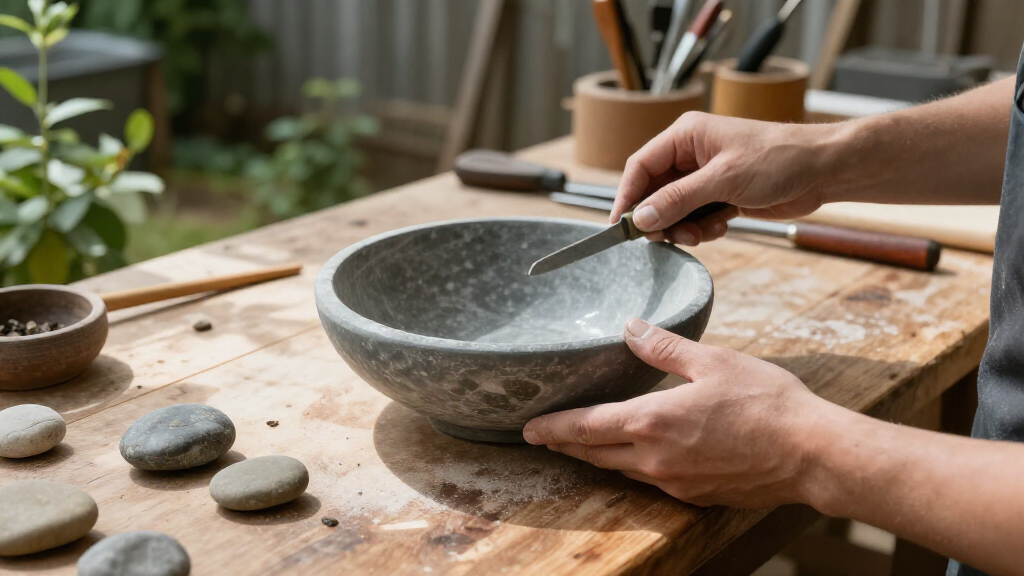
Architect and designer Ben Uyeda demonstrated a method for carving smooth river rocks into bowls in a TikTok video, using an angle grinder fitted with a diamond tile-cutting blade. The project, which Uyeda said was for a restaurant at a hotel he is building, offers a way to make decorative stone vessels, but using one for food raises questions about testing, sanitation and sealing.
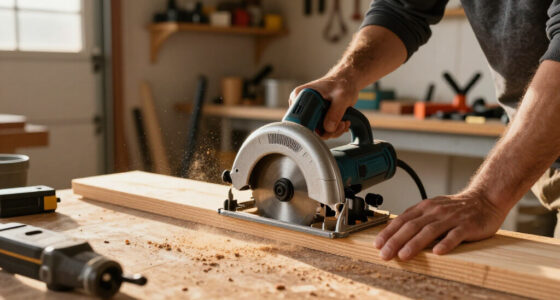
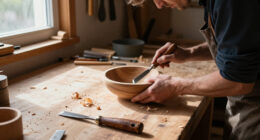
In the video, titled “I [am] carving rocks into bowls using my @RYOBI Tools USA angle grinder,” Uyeda holds a stone in a sandbox that keeps it in place while he works. The report describes flattening the base first, then cutting a small bowl’s interior in a radial pattern. Uyeda breaks out the material with a hammer and chisel to create a rough hollow, then grinds the depression smoother. For a larger bowl, the report says, he cuts a grid to outline a wider, oblong hollow.
The technique calls for power tools and stone-cutting equipment, rather than being a simple craft project. Uyeda also mentions an alternative for smoothing: a diamond ball grinder with an extension shaft. The source does not give a full tool list, detailed measurements or a step-by-step safety plan, so readers should not treat the short video as complete instructions for using an angle grinder.
Uyeda’s bowls were intended for a restaurant project, but the source also points to other uses for carved stone objects, including sinks, plates, mugs, vases and candle holders. A finished rock bowl could instead hold keys or other household items. That decorative use avoids the food-contact questions raised by porous natural stone.
Food Use Requires More Than Carving
The project’s appeal is its combination of an inexpensive raw material and a finished object that can resemble high-end stoneware. But making a vessel is not the same as establishing that it is safe to serve food in. The report says river rocks can be porous and difficult to sanitize or decontaminate, and that a rock’s appearance alone does not establish what substances it may contain.
Uyeda, according to the report, says samples should be sent for laboratory testing and that a food-safe finish should be used. Those steps can add expense: the report gives an example of a pint of MORE Stone Sealer listed at Walmart for $55.63. It does not establish that this product is appropriate for any particular rock or intended use. The practical takeaway is to treat a carved rock as decorative unless its material and finish have been assessed for food contact.
diamond tile cutting blade for angle grinder
As an affiliate, we earn on qualifying purchases.
As an affiliate, we earn on qualifying purchases.
From TikTok Demonstration to Tableware
The source report by Hunker describes Uyeda’s video as a demonstration connected to a hotel restaurant project. It notes that pricing for stone bowls varies widely, citing examples from $8.99 to $2,800, depending on size and craftsmanship. Those figures are the report’s examples, not a market survey or a guarantee of what a handmade bowl would cost.
The article also describes artisans using related stone-carving methods to make objects such as bathtubs, sinks, plates and sculptures. That wider range helps explain why the technique may appeal beyond serving dishes: the same basic idea can produce decorative or functional objects, though each intended use brings different requirements. A bowl for keys has different safety considerations from one used to serve food.
““I [am] carving rocks into bowls using my @RYOBI Tools USA angle grinder and a diamond tile blade.””
— Ben Uyeda, in the TikTok video cited by Hunker
food-safe stone sealer for river rocks
As an affiliate, we earn on qualifying purchases.
As an affiliate, we earn on qualifying purchases.
Rock Safety Is Not Established
The supplied source does not identify the specific river rocks Uyeda used, report laboratory results for them, name the finish applied to the bowls or confirm that the finished pieces have been approved for food contact. It also does not detail how porous surfaces would be cleaned and maintained over time. Without those details, the video does not establish that the bowls are safe for serving food.
The source raises concerns about possible mineral content and pollution but does not provide test results for a particular stone or location. It is therefore not possible to infer that every river rock is contaminated—or that any particular rock is safe—from the report alone. The safety of a finished object depends on its material, preparation, coating and intended use.
laboratory testing kits for porous stones
As an affiliate, we earn on qualifying purchases.
As an affiliate, we earn on qualifying purchases.
Testing Before Any Food Service
The immediate next step for anyone considering a food-serving version is to identify the rock and seek appropriate laboratory testing, then select a finish specifically suitable for the intended food contact. The source does not name a testing provider or offer a universal testing protocol, so those details remain open and may depend on the stone and its intended use.
For a decorative project, the bowl can be kept for objects such as keys rather than food. Anyone using an angle grinder should follow the tool manufacturer’s instructions and use appropriate protective equipment; the brief source report is not a substitute for formal tool-safety guidance. Uyeda’s video shows the technique, while the available reporting does not confirm subsequent testing or how the restaurant plans to use the finished bowls.
As an affiliate, we earn on qualifying purchases.
Key Questions
What tools does the river-rock bowl method use?
The report says Ben Uyeda used an angle grinder with a diamond tile-cutting blade, plus a hammer and chisel to break out the rough interior. He held the stone in a sandbox and mentioned a diamond ball grinder as another smoothing option.
Are carved river-rock bowls safe for food?
The source does not confirm that Uyeda’s bowls are food-safe. It says porous rocks can be difficult to sanitize and reports Uyeda’s advice to have samples lab-tested and use a food-safe finish.
Can a carved rock bowl be used without serving food?
Yes. The report suggests decorative or household uses such as holding keys. Those uses avoid the food-contact question, though safe handling of power tools is still necessary during carving.
What remains unknown about Uyeda’s finished bowls?
The supplied report does not identify the stones, provide test results, name the finish used or confirm how the bowls will be used at the restaurant. Their food-contact safety is unconfirmed.
Source: rss
Fall Picks
fall essentials
As an affiliate, we earn on qualifying purchases.